Essential Garden Tools for Beginners
Beginner gardeners do not need a wall full of tools. They need a few tools that match the plants, containers, soil, and space they actually have. Buying too much too early makes gardening feel more complicated than it needs to be.
University extension gardening guides usually point beginners toward soil, water, clean cuts, and observation before specialty equipment. A starter kit should make those jobs easier, not make the shelf look impressive.
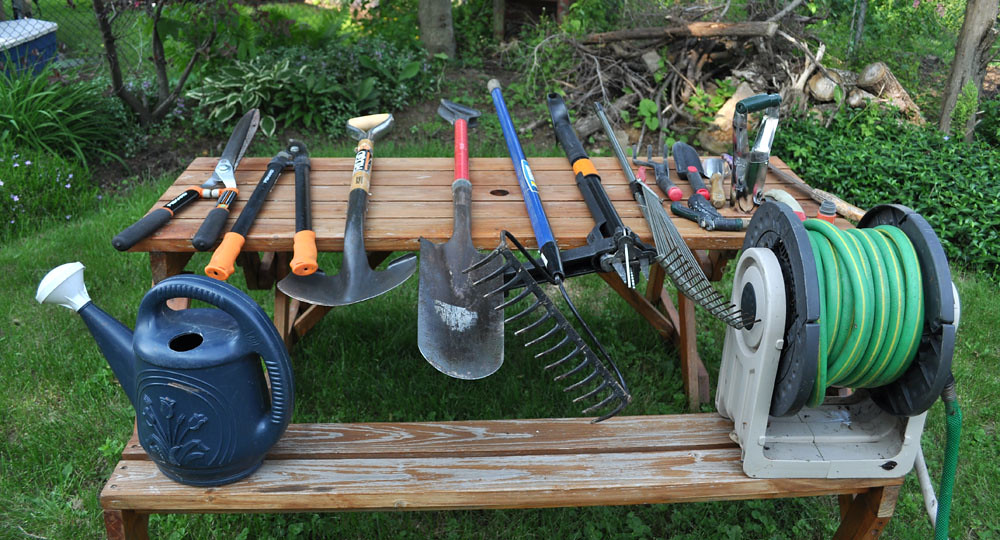
A useful beginner kit covers the basics: gloves, a hand trowel, pruners, watering gear, a soil scoop, labels, and a simple cleaning routine. Add specialty tools later, after the garden shows what it really needs.
Start beginner garden tools with gloves that fit the work
Gloves are not only about keeping hands clean. They protect against thorns, rough stems, splinters, dry soil, and repeated rubbing. For light container work, thin flexible gloves are often enough. For roses, woody cleanup, or rough debris, thicker gloves make more sense.
Fit matters. Gloves that are too large make it hard to handle seedlings, labels, and small tools. Gloves that are too tight become uncomfortable quickly. A beginner should choose one comfortable general pair before buying specialty gloves.
A good glove is the tool you will actually wear. If it makes your hands clumsy, you may take it off during the exact job where protection matters.
Start with gloves that fit the work: Beginner gardening improves when the next action is visible. The gardener should know whether to water, wait, prune, label, repot, harvest, or clean up without guessing from a vague rule.
Choose a sturdy hand trowel
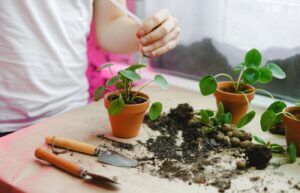
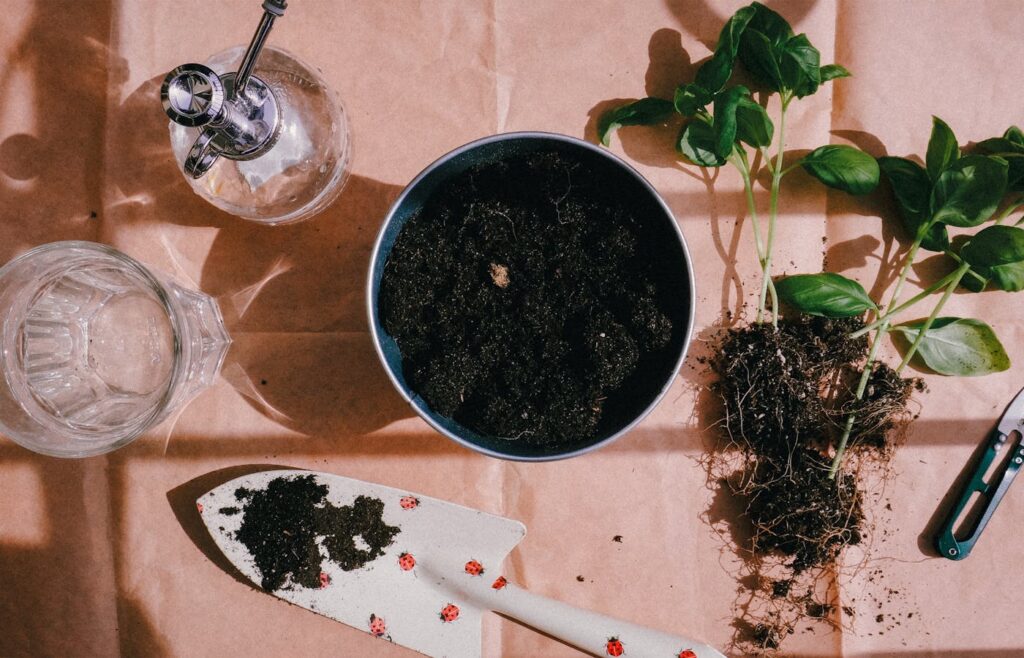
A hand trowel is one of the most-used garden tools. It helps with planting, transplanting, loosening potting mix, and moving small amounts of soil. Look for a strong neck where the handle meets the blade. Weak trowels bend when soil is compacted.
Look at the connection between the handle and blade before buying. That joint takes pressure when you loosen compacted mix or plant in a tight container. If it flexes in your hand at the store, it will probably feel worse in damp soil.
The best beginner trowel is comfortable and easy to clean. A depth mark on the blade can help with bulbs or seedlings, but strength matters more than extra features. If you garden in containers, a narrower blade may be easier to use.
A hand trowel should feel solid at the handle and blade. Very flimsy trowels bend in compacted soil, which makes simple planting feel harder than it needs to be.
Match the trowel to the space you actually garden in. A balcony container, sunny bed, shaded porch, and small yard all change how much reach, blade strength, and cleanup control you need.
| Area | What to check |
|---|---|
| Gloves | Fit, grip, and protection for the task |
| Trowel | Strong neck and comfortable handle |
| Pruners | Clean cuts and a safety lock |
| Watering can | Size you can carry when full |
Buy pruners only when you need clean cuts
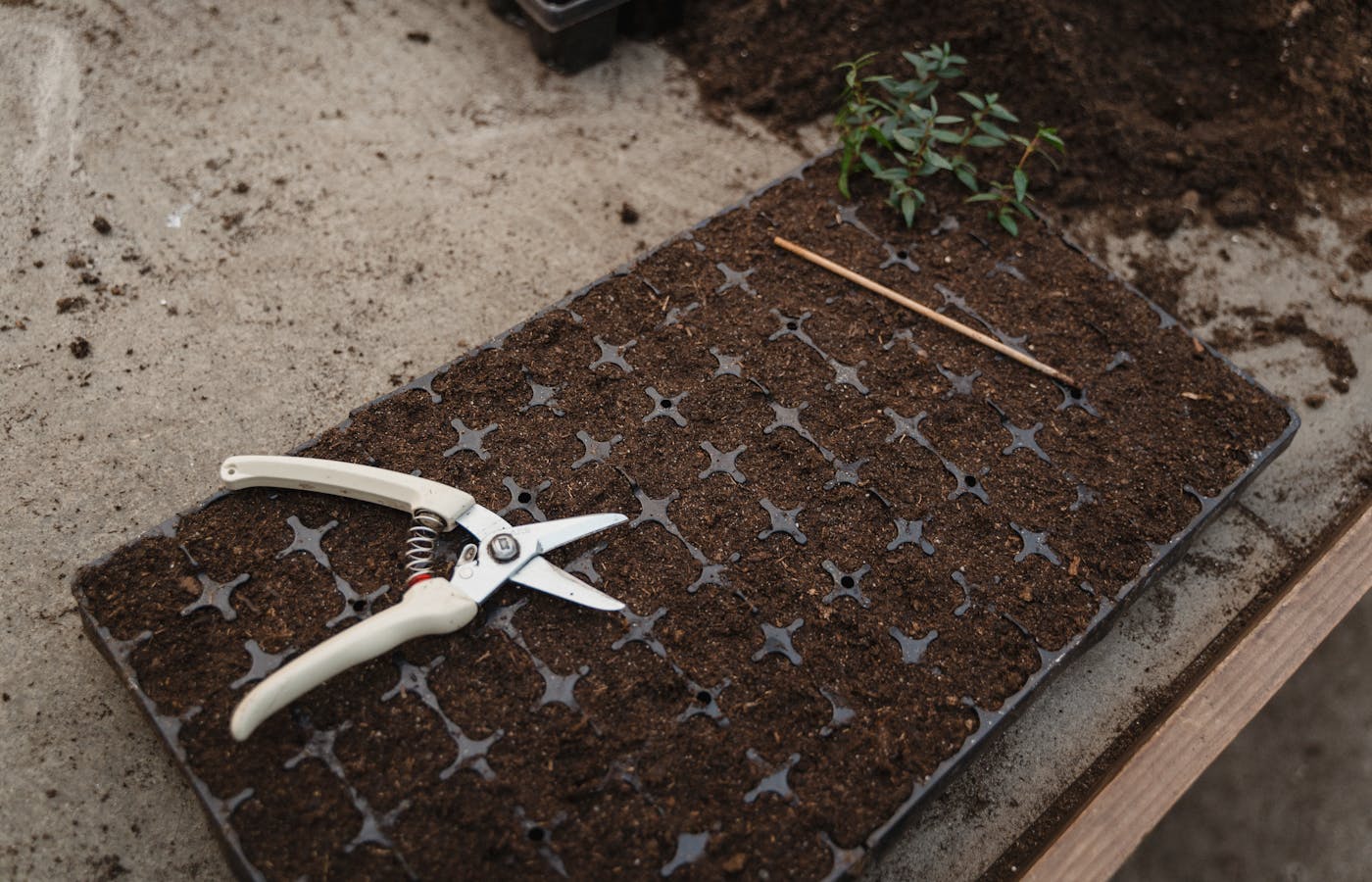
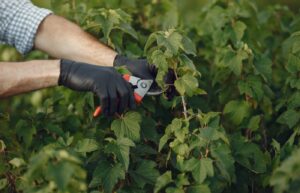
Pruners are useful for dead stems, herbs, small branches, and shaping plants. They are not always needed on day one, especially if you are starting with seedlings or small indoor plants. When you do buy them, choose a pair that opens and closes smoothly.
Clean cuts help plants recover. Dull or dirty blades can crush stems and spread disease. Wipe pruners after use, especially when cutting diseased or sticky material. A basic bypass pruner is enough for many beginner gardens.
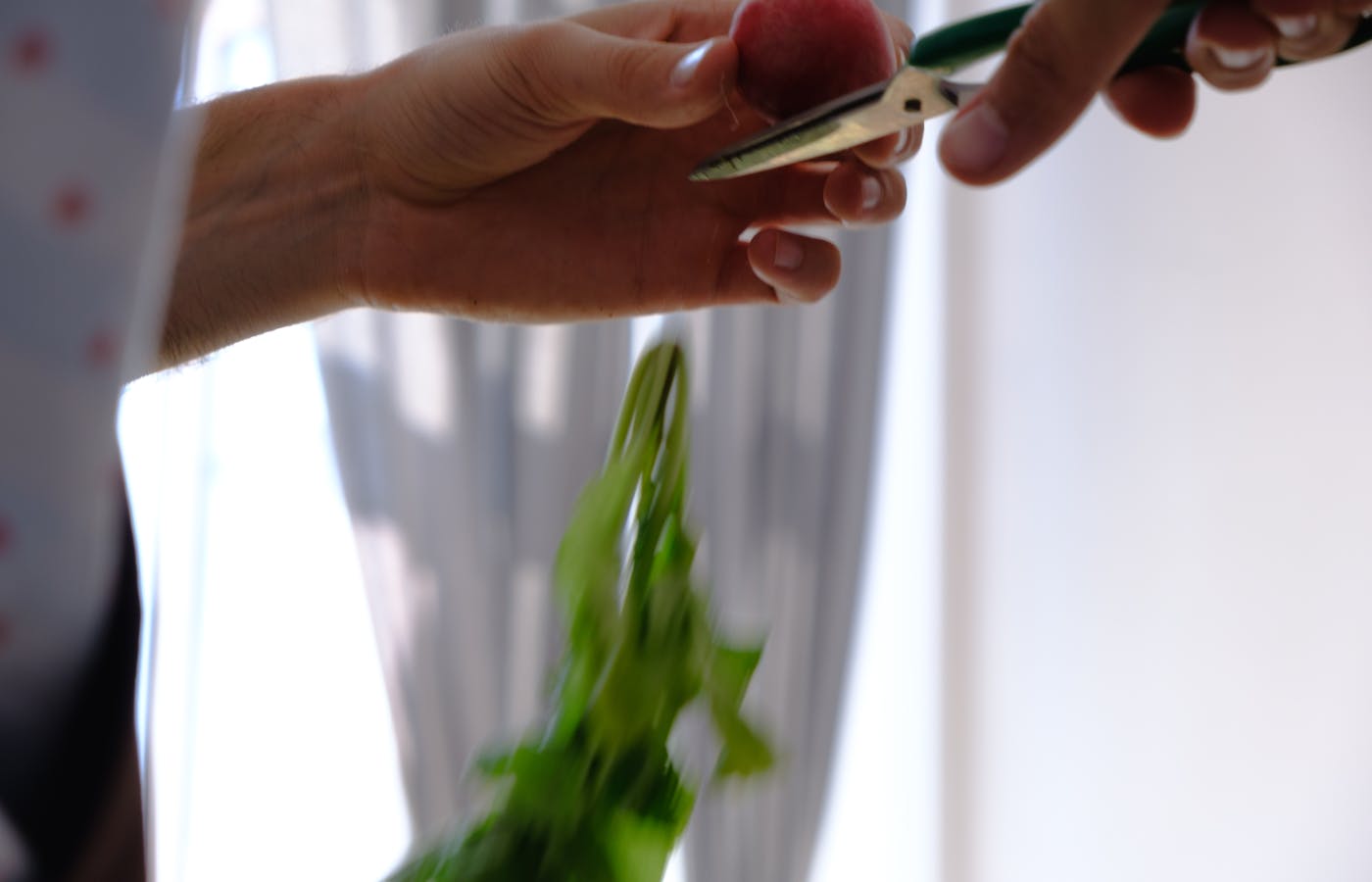
Pruners are worth buying when you start cutting stems that should heal cleanly. For soft herbs and tiny seedlings, scissors may be enough until the garden grows.
Buy pruners only when you need clean cuts: A simple habit is better than a perfect plan. Checking the same plant or tool after a few normal days teaches more than changing the whole setup at once.
Match the watering can to your space
Watering tools should match the size of the garden. A large can may look useful, but it becomes awkward when full. A small indoor collection may need a narrow spout. Outdoor containers may need a larger can or a hose attachment with a gentle setting.
The goal is steady water without blasting soil out of the pot. Seedlings and fresh transplants need gentler watering than established plants. If water runs off the surface or exposes roots, slow down and use a softer flow.
Watering cans should match the distance between the faucet and the plants. A huge can looks efficient until it becomes too heavy to carry without spilling.
Match the watering can to your space: Look for the cue that belongs to this section: leaf color, soil feel, root crowding, seedling size, tool comfort, or whether the plant is ready to harvest.
Use a scoop and tray for cleaner potting
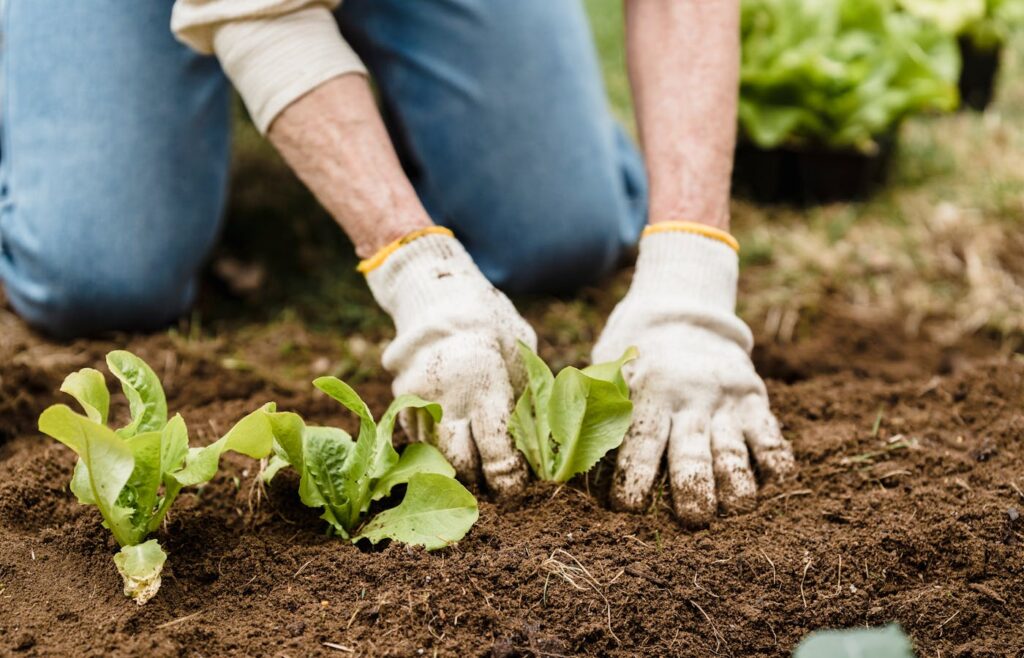
A simple scoop makes potting easier and less messy. It helps move soil into containers without spilling half the bag. A tray or shallow bin catches loose mix, especially indoors, on balconies, or anywhere cleanup is part of the challenge. A first tool kit makes more sense when each tool has a clear job; that is the same practical restraint behind a beginner garden setup.
A specialized scoop can wait. A sturdy cup, small container, or repurposed kitchen scoop can work if it is dedicated to garden use. The important thing is controlling soil so the task feels manageable.
A scoop and tray keep container work from spreading across the floor. They also make it easier to reuse soil, catch spills, and stop a quick repotting job from becoming cleanup.
Use a scoop and tray for cleaner potting: The best beginner setup keeps cleanup easy. Soil, labels, gloves, trays, and watering gear should have a place to return to before the next garden session starts.
- Use a scoop for potting mix and amendments.
- Keep a tray under small containers while planting.
- Brush soil from rims before watering.
- Store soil bags closed so they do not dry out or spill.
Label plants before memory gets tested
Plant labels feel unnecessary until seedlings look alike. Labeling herbs, vegetables, cuttings, and newly repotted plants prevents confusion later. Include the plant name and, when useful, the date planted or repotted.
Use labels that can handle water and sun. Pencil on plastic labels often lasts longer than many inks. For a beginner, labels are less about neatness and more about learning. They help connect care choices with results.
Labels prevent small mistakes that are hard to undo. Seedlings can look alike for weeks, and a simple tag can save you from moving, watering, or harvesting the wrong plant.
Label plants before memory gets tested: When something goes wrong, change one condition first. Water, light, soil, spacing, pests, and tools can overlap, so a slow adjustment keeps the lesson clear.
Clean and store tools after each session
Tools last longer when soil is removed before it dries into corners. Brush off dirt, wipe blades, and let wet tools dry before storing them. Leaving tools outside in rain or damp soil shortens their life and can make the next session harder.
Keep the starter kit together. A bucket, tote, shelf, or small caddy prevents the common beginner problem of spending more time looking for tools than gardening. When the basics are easy to find, small garden tasks happen more often.
Cleaning tools protects both the tool and the plants. Dry soil, sap, and disease residue can travel from one job to the next if blades and trowels are put away dirty.
Make cleanup part of the gardening session, not a separate chore you hope to remember later. If the storage spot has a rag, brush, and dry hook or bin, you are more likely to put tools away before soil hardens on the blade.
Check handles, blade screws, and rust once a month during the growing season. A loose handle or dull blade can turn a simple garden job into hand strain, especially when you repeat the same task across several pots.
- Brush soil from tools.
- Wipe blades and handles dry.
- Store sharp tools safely.
- Keep the starter kit in one visible place.