Balcony Gardening for Beginners
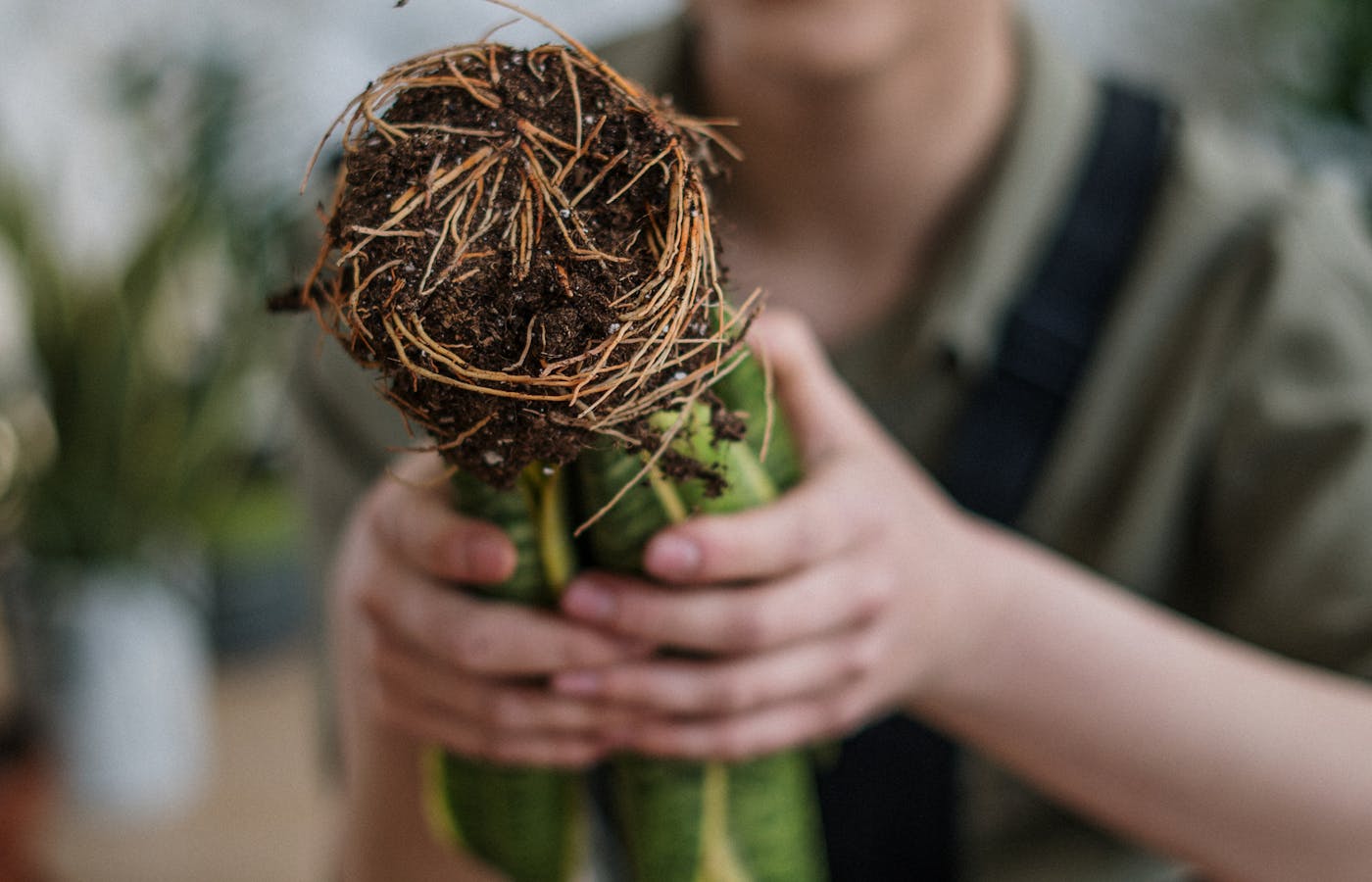
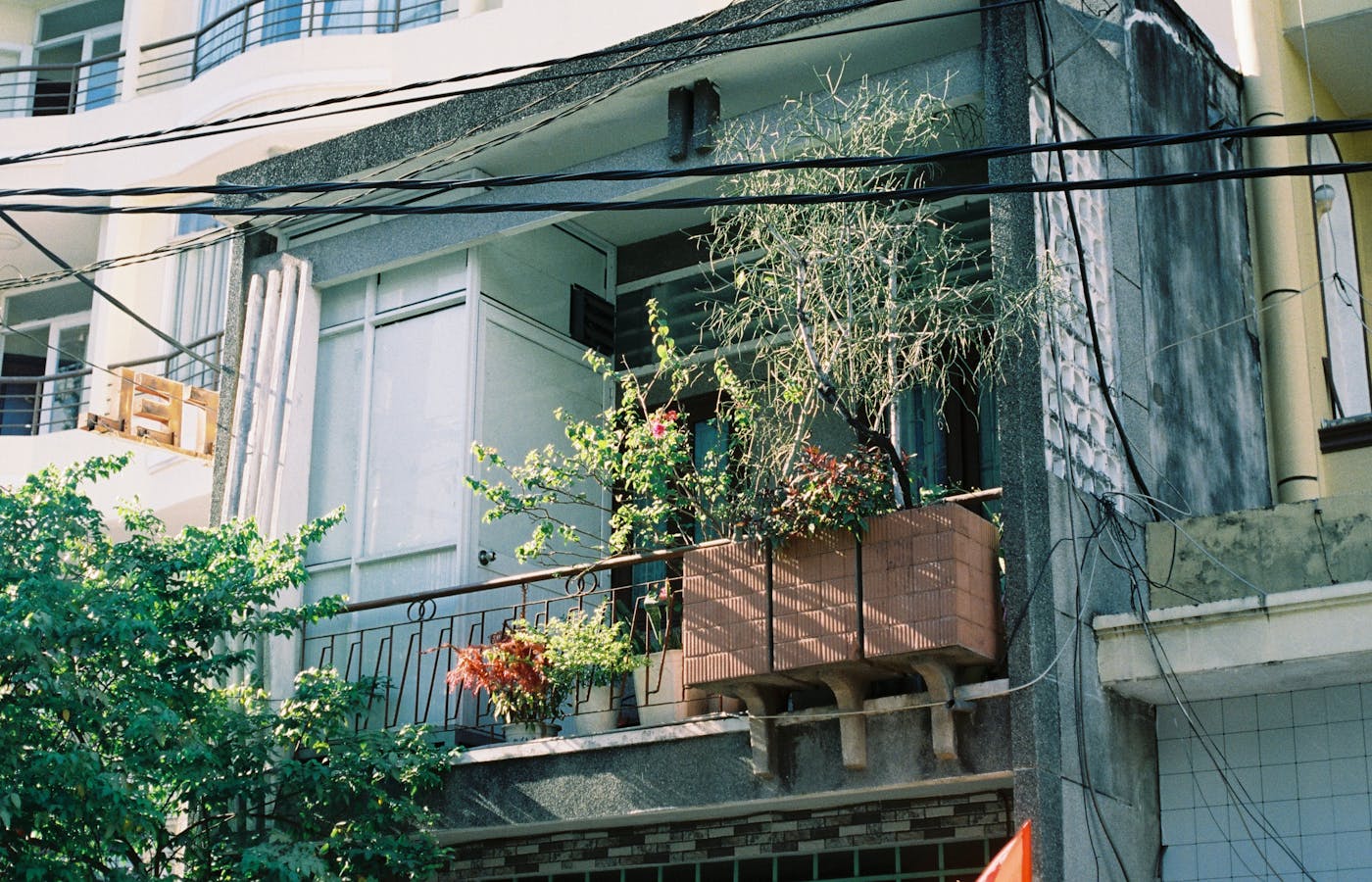
A balcony garden has different rules from a backyard garden. The space is smaller, wind can be stronger, water has fewer places to go, and every container adds weight. Those limits do not make balcony gardening impossible; they make planning more important.
The best balcony garden still leaves room for people. Before buying pots, decide where you will stand to water, where a chair can still fit, and which path must stay clear. A balcony that becomes hard to use will usually become hard to maintain too.
Beginners usually succeed when they treat the balcony as a compact growing station. A few well-chosen containers, a clear watering routine, and plants matched to the light will outperform a crowded balcony that is hard to maintain.
Read the balcony before choosing plants
Spend a day noticing light, wind, shade, railings, and where rain lands. A balcony may receive intense morning sun, harsh afternoon heat, or almost no direct light. The same apartment building can have very different growing conditions on each side.
Also think about how you use the balcony. A garden should not block the door, crowd a chair, or create a tripping hazard. The best layout leaves room for people first, then fits plants into the remaining space.
| Choice | Beginner check | Why it matters |
|---|---|---|
| Morning sun | Gentler light and cooler containers | Good for herbs, greens, and many flowers |
| Afternoon sun | Hotter pots and faster drying soil | Use heat-tolerant plants and larger containers |
| Mostly shade | Limited direct light | Choose foliage plants and shade-tolerant herbs |
Respect weight, drainage, and building rules
Containers become heavy after soil and water are added. Large ceramic pots, wet soil, and several planters along one edge can add up quickly. If you are unsure about limits, keep containers modest and spread weight instead of clustering everything.
Use containers that fit the plant and the space
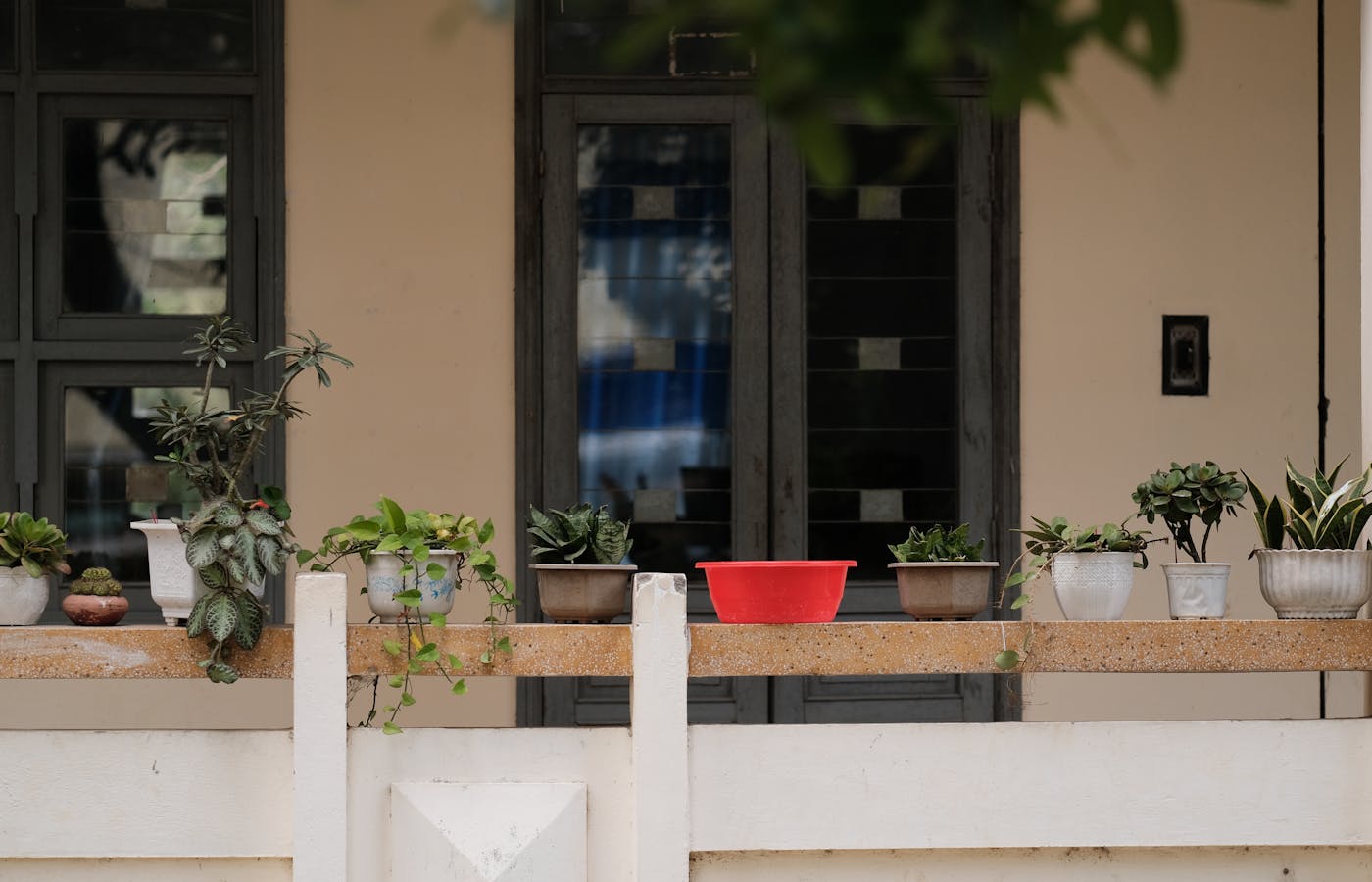
Small pots are easy to move, but they dry quickly. Large pots hold moisture longer, but they weigh more and take up room. Choose containers based on the plant root system, your watering habits, and the balcony path.
Herbs and greens can grow in medium containers, while tomatoes and peppers need more root space. Rail planters can help, but they must be secure. A container that wobbles in wind is not worth the floor space it saves.
- Pick pots with drainage holes.
- Place heavier containers low and stable.
- Use trays where water could drip below.
- Leave a clear walking path from the door.
Plan for wind before it damages plants
Balconies can be windier than ground-level gardens. Wind dries soil, bends stems, and knocks over light pots. Tender seedlings may struggle even when the light is perfect because the air movement is too strong.
Use heavier containers, group pots so they shelter each other, and place delicate plants away from the most exposed railing. If a plant constantly leans or dries out, the problem may be wind rather than watering.
Choose plants that reward a small setup
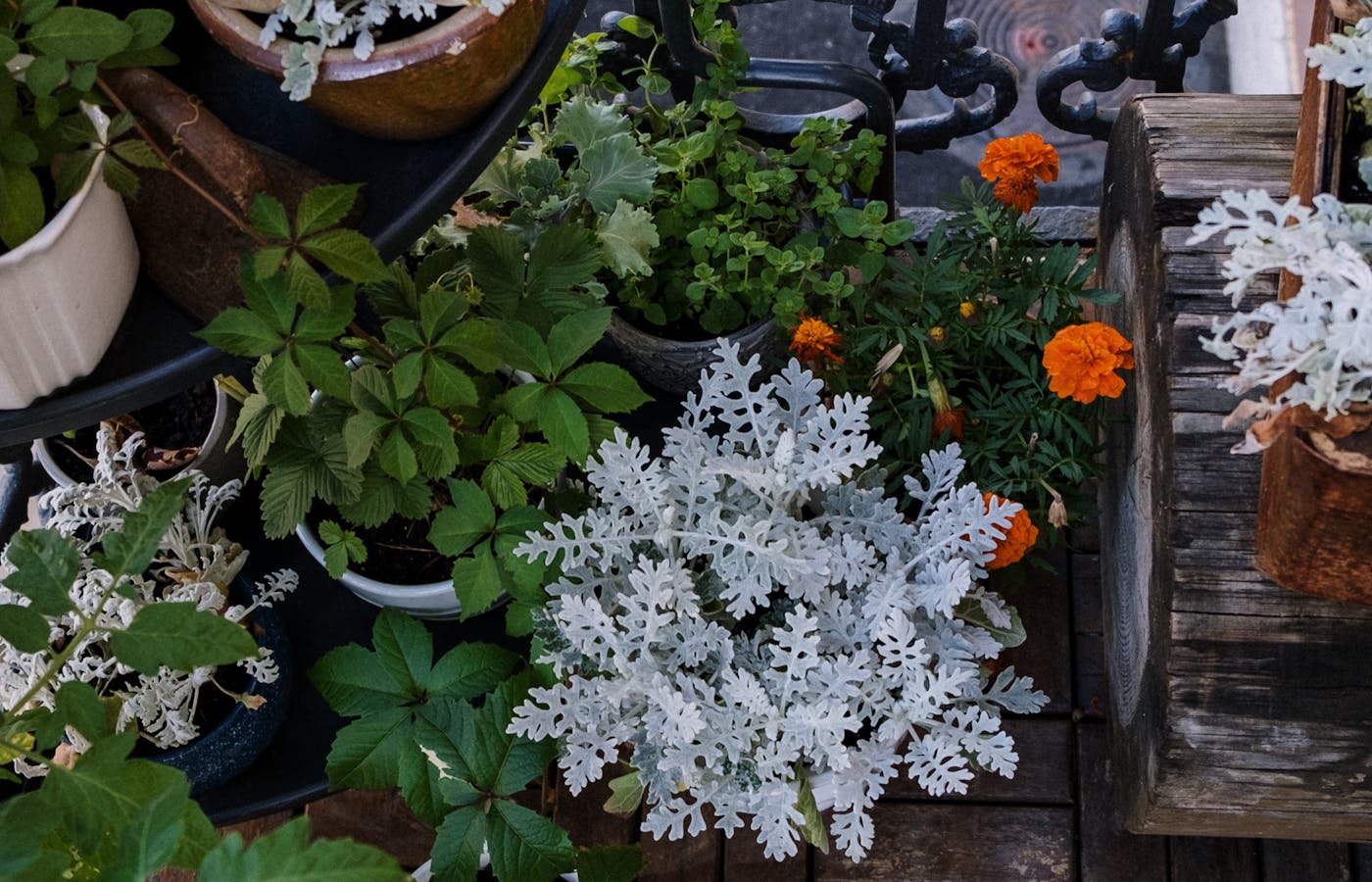
A beginner balcony garden should start with compact plants. Herbs, lettuce, chard, radishes, dwarf peppers, strawberries, marigolds, and nasturtiums can all work when light and containers match their needs. For edible balcony crops, container vegetable guidance is useful when choosing pot size and drainage before planting.
Avoid plants that require deep beds, sprawling vines, or daily rescue unless you have the space and time. A balcony garden feels better when plants stay in scale with the area around them.
Simple order: Choose two or three plant types first. Match each plant to the light you measured. Group plants with similar watering needs. Leave space for airflow and harvesting. Add more only after the routine holds.
Water slowly and watch the runoff
Balcony containers can dry fast, especially in sun and wind. Water slowly so the mix absorbs moisture instead of channeling it down the sides. If water rushes out immediately, the soil may be too dry or compacted to take it in.
Use saucers carefully. They can protect the floor, but standing water can damage roots, attract insects, or spill during wind. Empty extra water after the pot drains, and check whether runoff could drip onto a neighbor’s balcony before you settle into a routine.
Keep the balcony easy to reset
Fallen leaves, spilled soil, empty pots, and unused supplies can make a small balcony feel messy quickly. Keep a small brush, scoop, and storage bin nearby if the space allows. Quick cleanup prevents the garden from feeling like clutter.
A simple weekly routine to keep progress steady
When to adjust the plan instead of pushing harder
Balcony gardening usually performs better when the space stays usable. Build the garden around light, weight, drainage, and your weekly routine, then expand only when those basics feel steady.
If the balcony starts to feel crowded, remove one weak plant before adding another pot. Beginners often learn faster from a clean, manageable setup than from a balcony full of plants that all need different attention at the same time.
It also helps to choose supplies that can be stored neatly between watering days. A small watering can, hand scoop, brush, and tray are usually enough for a beginner setup. When tools have a place to go, the garden feels intentional instead of temporary.
Start with a setup you can reset in ten minutes: sweep soil, check water, remove dead leaves, and move one pot if wind or heat is too strong. That small reset keeps the garden from turning into balcony clutter and gives each plant a better chance to stay healthy.