How Often Should You Water Indoor Plants?
The calendar is a poor plant parent. It can remind you to check the pot, but it cannot know whether the room was sunny, the soil stayed damp, the plant slowed down, or the pot has no drainage. Indoor watering becomes easier when the question changes from “What day is it?” to “What is the plant showing me?”
Most houseplants do better with observation than with a fixed weekly pour. Some want the top soil to dry. Some want steadier moisture. Some tolerate dry spells. The useful habit is learning how to check before adding water.
Check the soil before deciding the plant is thirsty
Soil feel is the first clue. Push a finger into the top inch or two of the potting mix, or use a wooden chopstick for deeper pots. If the soil sticks heavily to the stick, the lower mix may still be moist. If it comes out mostly clean and the pot feels light, the plant may be ready for water. This simple check prevents many beginner mistakes.
The surface can fool you. A pot may look dry on top while the lower roots are still wet, especially in large containers or dense potting mix. The opposite can happen near a hot window, where the surface dries quickly while the plant still needs a deeper soak. Check more than one signal when you are unsure.
Watering is a decision, not a ritual. If the soil is still damp and the plant looks fine, skip the pour and check again later. If the leaves are drooping and the pot is very light, water thoroughly and watch how the plant responds. Good plant care often comes from waiting one more day.
For plants in very small pots, check more often because there is less soil to hold moisture. For plants in large decorative pots, slow down and check deeper. The larger the pot, the easier it is for the surface to dry while the lower root zone remains wet.
| Signal | What to check next |
|---|---|
| Dry top soil | Check deeper soil and pot weight |
| Drooping leaves | Compare dryness, heat, and recent watering |
| Yellow leaves | Check for soggy soil or poor drainage |
| Very light pot | Water if the plant type prefers a dry-down |
Match watering frequency to light, pot size, and season
Light changes water use. A plant in bright indirect light usually uses moisture faster than the same plant in a dim corner. A warm windowsill, grow light, or active summer growth can shorten the time between waterings. In winter, or in a darker room, the same plant may sit damp much longer.
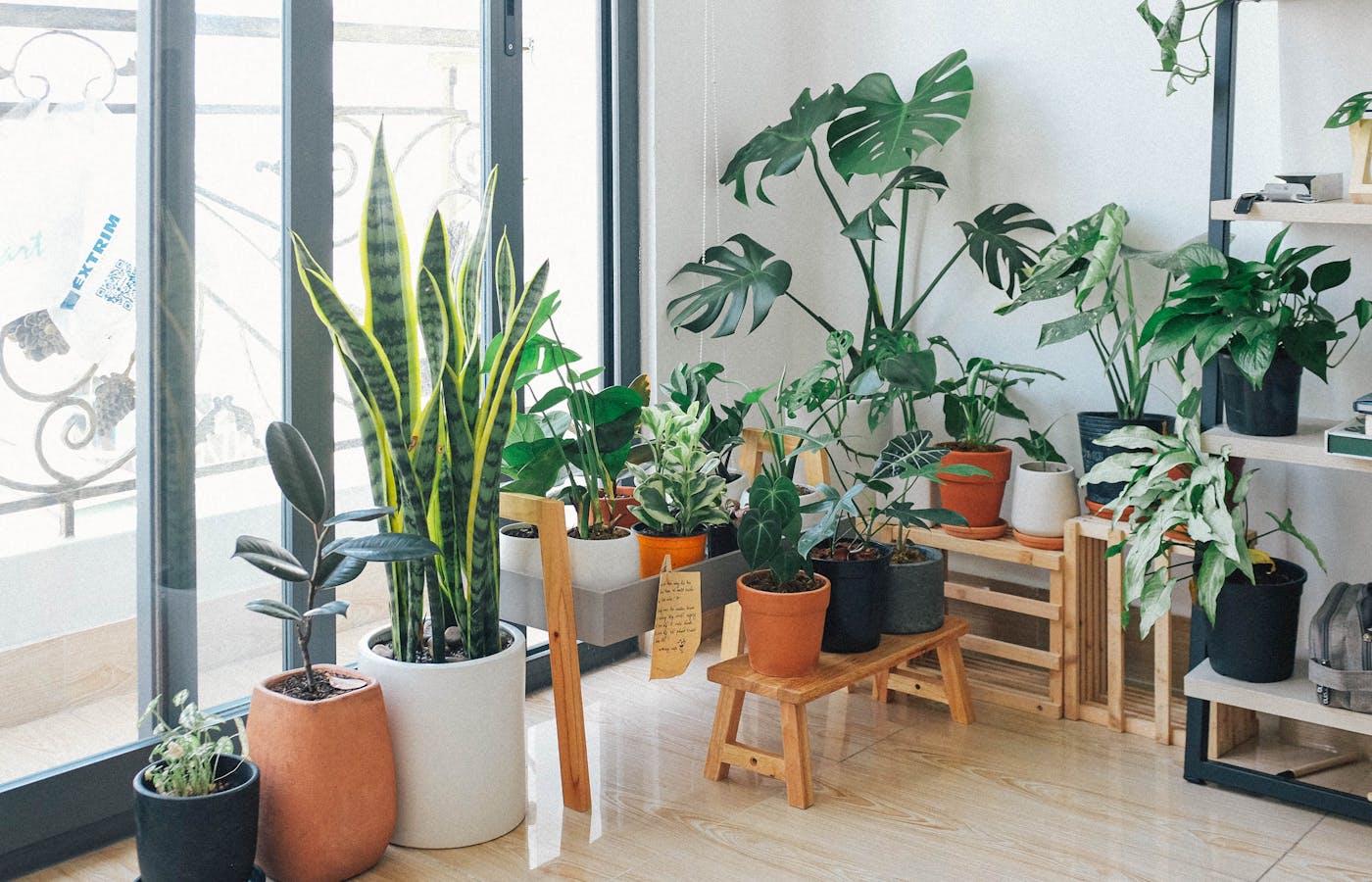
Pot size and material matter too. Small pots dry quickly. Large pots hold moisture longer. Terracotta breathes and dries faster than plastic or glazed ceramic. A pot without drainage is risky because extra water has nowhere to go. If you love a decorative cover pot, keep the plant in a nursery pot inside it and empty any collected water after watering. Water problems are harder to read without light context, which is why it helps to know plant light needs before changing the watering routine.
A practical rhythm: set a weekly reminder to inspect plants, not automatically water them. During the check, lift pots, touch soil, look at leaves, and note which plants changed. Some may need water every few days. Others may wait two or three weeks. That variation is normal.
Grouping plants by need can help. Keep thirstier plants where you will remember them, and keep drought-tolerant plants away from the path of casual watering. Many overwatered plants are watered simply because they were next to a plant that truly needed it.
Know which plant types dry down and which stay more evenly moist
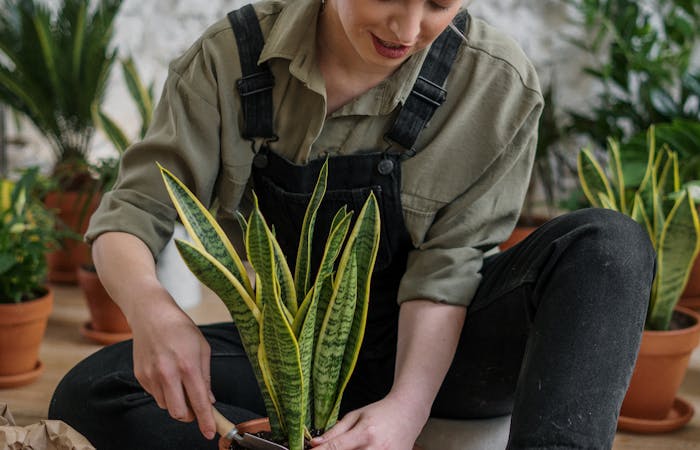
Snake plants, ZZ plants, many succulents, and some cacti usually prefer drying more between waterings. Pothos, philodendron, and spider plants often like the upper soil to dry but do not want to stay bone dry for too long. Peace lilies and some ferns prefer more consistent moisture, though soggy roots are still a problem. Watering advice changes by plant type, so a list of beginner-friendly indoor plants helps beginners avoid treating every houseplant the same way.
Plant labels can help, but they are often too vague. “Water weekly” ignores your room. “Keep moist” can lead beginners to water constantly. Translate labels into checks: how dry should the soil feel, how heavy should the pot be, and what does the plant look like when it is comfortable?
New plants deserve extra observation. They may be in a different potting mix than your older plants, and they are adjusting to new light. Do not repot, fertilize, relocate, and change watering all at once unless there is a clear problem. Give the plant a chance to show its baseline.
Cuttings, seedlings, and newly divided plants may need gentler moisture because their roots are still developing. Established plants in stable pots can usually handle a clearer wet-dry rhythm. That is why the age of the root system matters as much as the name on the label.
Water thoroughly, then let excess drain away
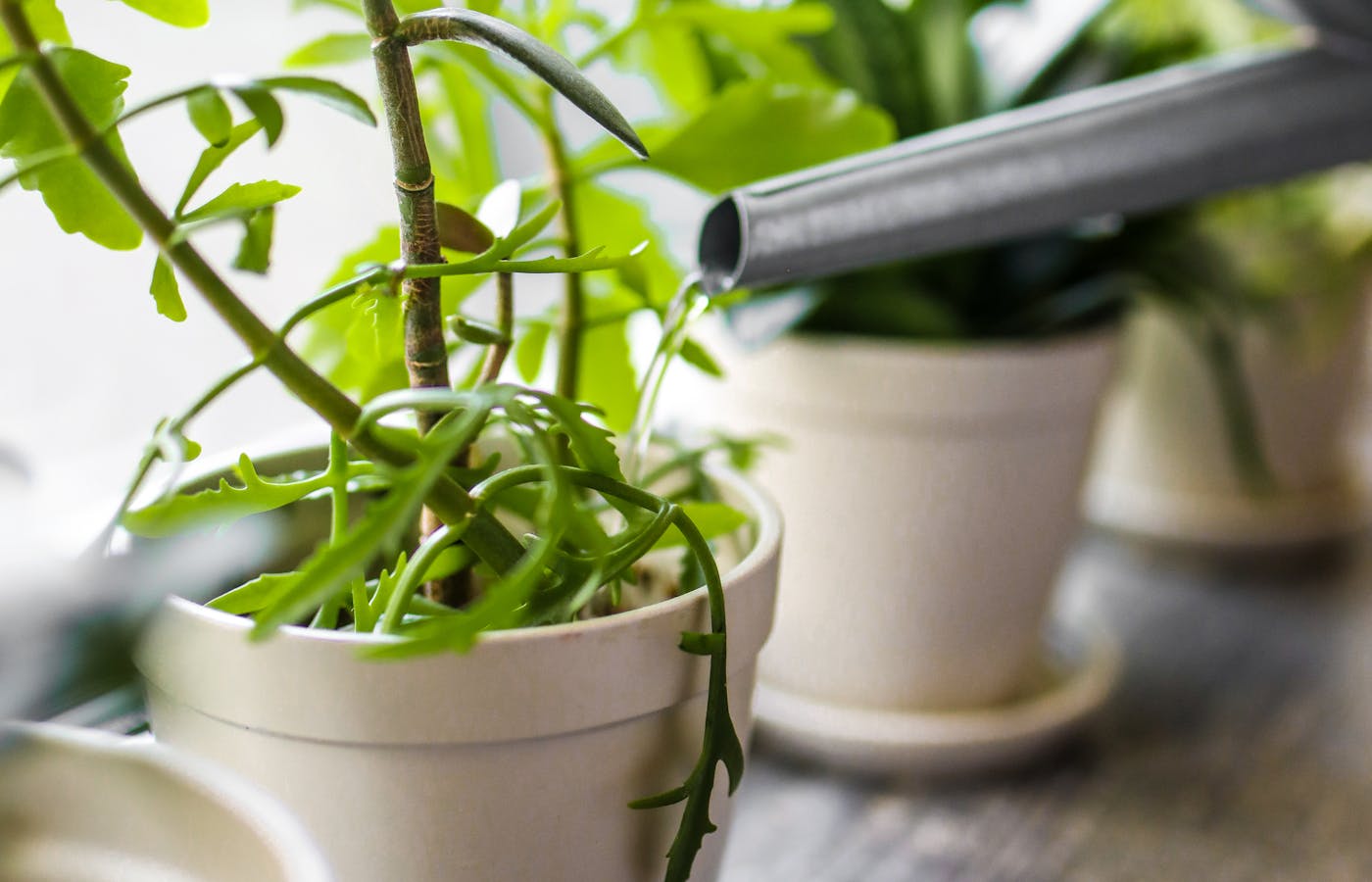
When a plant is ready for water, a small splash on the surface is often less useful than a thorough watering. Pour slowly until water reaches the root zone and drains from the bottom, if the pot has drainage. Let the pot sit for a few minutes, then empty the saucer or cover pot. Roots need moisture, but they also need air.
If water runs straight through a very dry pot, the mix may have become hydrophobic. Let the pot soak from the bottom for a short period, then drain it well. If water sits on top and refuses to move, the soil may be compacted or the pot may have drainage trouble. Both situations are worth fixing rather than simply watering more often.
- Use room-temperature water when possible.
- Water the soil, not just the leaves.
- Empty saucers after drainage.
- Reduce watering before increasing it when leaves yellow.
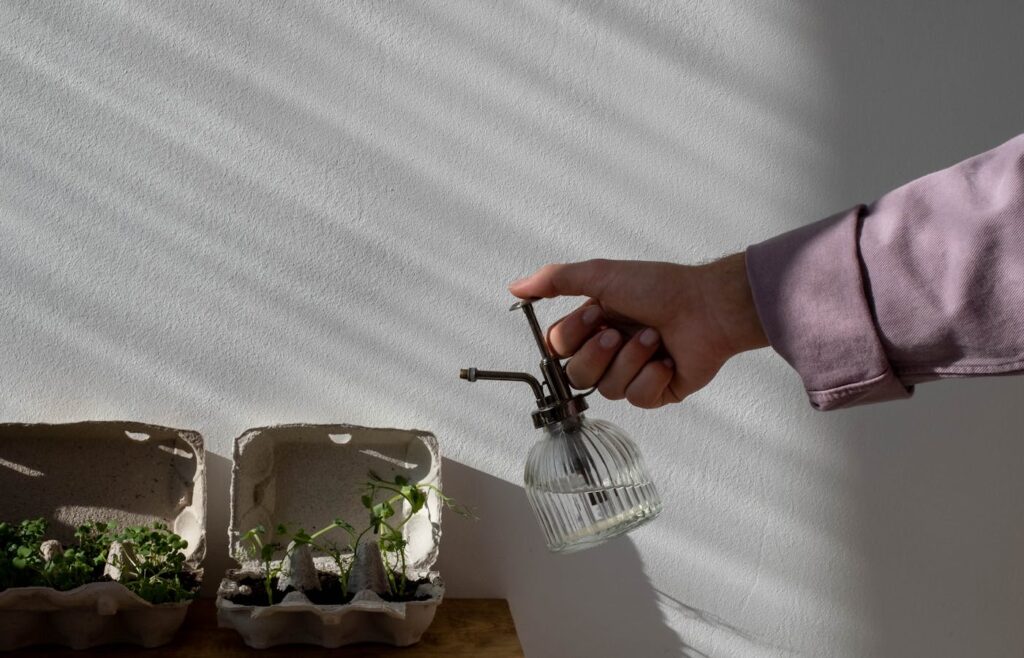
Misting is not a replacement for watering roots. It can help clean leaves or support seedlings in specific cases, but most established indoor plants still need moisture delivered to the potting mix.
If water beads on top of the soil or runs down the side gap, take that as information. The mix may be compacted, too dry to absorb at first, or pulling away from the pot. Slow watering, bottom soaking, or repotting into fresher mix may solve the real issue better than watering more often.
Watch for overwatering before adding more care
Overwatering is not just “too much water once.” It is often water too often, in soil that stays wet, in a pot that drains poorly, under light too weak for the plant to use moisture. Yellowing leaves, soft stems, fungus gnats, sour soil smell, blackened roots, and a pot that stays heavy for many days all point toward a moisture problem.
If you suspect overwatering, pause before adding fertilizer, moving the plant to another room, or watering again because the leaves look sad. Check the roots if the plant is declining. Improve drainage, remove standing water, increase light if appropriate, and let the soil dry to the level that plant type can tolerate.
Underwatering has a different pattern: dry soil, light pot, crispy edges, leaves that perk up after a deep drink, or soil shrinking from the pot wall. Seeing the difference takes practice, which is why checking the pot matters more than guessing from one leaf.
If the plant is recovering, take a photo once a week. Slow changes are easier to judge side by side than from memory.
Before watering again, check the top soil, feel the pot weight, compare leaf changes with wet or dry soil, and adjust for season, light, and pot size before changing the whole routine.
The best answer to watering frequency is a habit of checking. Once you know how your plant behaves in your room, the schedule becomes easier. Until then, let the pot, soil, light, and leaves answer before the calendar does.