Best Hanging Plants for Apartment Balconies
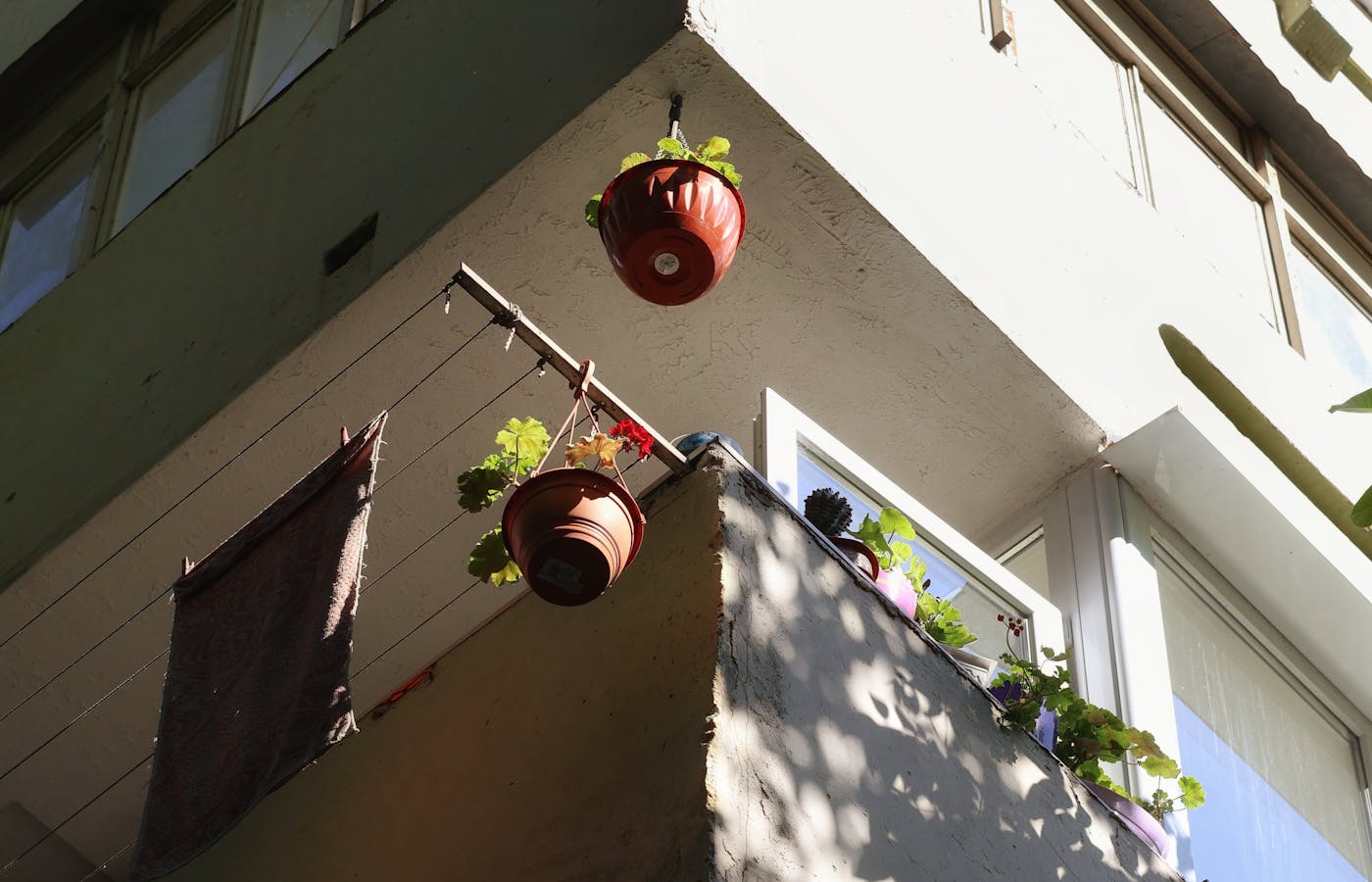
A balcony can feel fuller and calmer when some of the planting moves upward. Hanging baskets, railing planters, wall hooks, and trailing pots let you grow leaves and flowers without giving every inch of floor space to containers. That matters on an apartment balcony where one chair, one door swing, and one laundry rack can already use most of the room.
The best hanging plants for apartment balconies are not just the prettiest trailing plants. They are plants that match the sun, handle the wind, drain well, stay reachable for watering, and sit in planters that are safe for the railing or ceiling. A good choice looks light and effortless because the practical decisions were made first.
Start with balcony sun, wind, and available support
Before choosing a plant, watch the balcony for a normal day. Notice how much direct sun reaches the rail, how strong the wind feels, and where a hanging planter could safely sit without blocking a door, neighbor view, or walking path. Hanging plants are exposed differently from pots on the floor. They may dry faster, swing more, and catch hotter afternoon sun.
South- and west-facing balconies usually need tougher sun plants or a watering routine you can repeat. North-facing balconies often need shade-tolerant foliage instead of heavy-flowering baskets. East-facing balconies can be friendly for many plants because morning light is bright but less harsh. Covered balconies may be protected from rain, which means you still need to water even after storms.
Support matters as much as sunlight. Do not hang a heavy wet planter from a weak hook, thin pipe, loose railing, or rented surface you are not allowed to drill. Soil, water, and mature plant growth add weight. A small empty basket can become much heavier after watering, especially if it uses dense potting mix.
Plan for the planter at its wettest and fullest, not only for the day you bring it home.
Use this first check before shopping:
| Balcony condition | Plant direction |
|---|---|
| Hot afternoon sun | Choose drought-tolerant or sun-loving options |
| Bright morning sun | Use flowering baskets or mixed foliage |
| Mostly shade | Choose shade-tolerant trailing foliage |
| Strong wind | Use compact plants and secure planters |
| Limited support | Use lighter railing planters or shelf baskets |
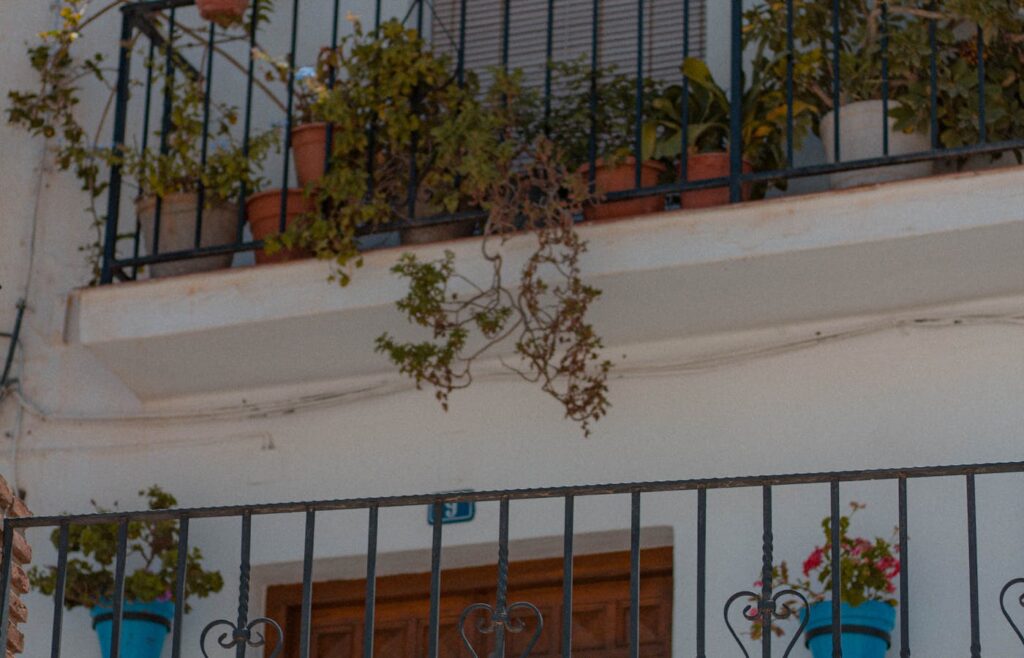
Choose trailing plants that stay manageable
Trailing plants are popular for balconies because they soften hard railings and make a small space look established. But a plant that trails beautifully in a nursery can become tangled, thirsty, or hard to trim if it grows faster than the balcony can handle. For apartment spaces, manageable growth is often better than dramatic length.
Pothos, heartleaf philodendron, spider plant, trailing peperomia, string of hearts, and some tradescantia varieties can work well in bright shade or filtered light. For sunnier balconies, trailing petunias, calibrachoa, verbena, nasturtium, sweet potato vine, and certain sedums may be more suitable. The right choice depends on your climate, balcony exposure, and whether the plant will live outside year-round or only during warm months.
Think about maintenance before choosing a plant with long stems. Some trailing plants need regular pinching to stay full at the top. Some flowering baskets need deadheading. Some vines can creep into rail gaps, neighboring spaces, or outdoor equipment. If the balcony is narrow, a plant that hangs straight down may be easier than one that sprawls sideways.
Good beginner choices often have one or more of these traits:
- they recover well after light pruning;
- they do not need daily fussing to look decent;
- they match the balcony’s actual light level;
- they can be watered without climbing or stretching;
- they stay clear of doors, fans, and neighbor spaces.
The best plant is the one you can keep healthy in the exact place where it will hang.
Match flowering baskets to the light you really have
Flowering hanging baskets can make a balcony feel cheerful quickly, but they usually ask for more light and water than foliage plants. Many annual flowers bloom best with several hours of direct sun. If your balcony is bright only for a short morning window, a basket sold as a full-sun bloomer may survive but produce fewer flowers than expected.
Petunias, calibrachoa, verbena, lantana, and trailing geraniums are common choices for sunny balconies. In gentler light, begonias, fuchsias, impatiens, and some mixed shade baskets may be more forgiving. Local climate changes the result. A plant that loves sun in a mild coastal area may struggle in a hot, reflected-heat balcony with concrete walls and dry wind.
Flowering baskets also need consistent watering because blooms take energy and hanging containers dry from all sides. During hot weeks, a small basket may need checking every day. That does not mean every basket needs water daily, but it does mean the soil should be checked more often than a large floor pot.
A flowering basket is easiest to enjoy when its light needs match the balcony before the first flower opens. Because hanging baskets drip from above, it also helps to water balcony plants without making a mess before runoff reaches the railing, floor, or neighbors below.
If you want color without constant bloom care, use one flowering basket as the focal point and surround it with easier foliage. That keeps the balcony lively without making every hanging plant depend on perfect flowering conditions.
Use light, draining planters that stay secure
The planter decides whether a hanging plant is easy to maintain or quietly risky. A balcony planter should be light enough for the support, deep enough for roots, and designed so excess water can leave. Decorative containers without drainage can turn a hanging basket into a soggy root zone, especially after rain or enthusiastic watering.
Plastic, resin, coco-lined baskets, and lightweight metal frames are common because they reduce load. Terracotta can look beautiful, but it gets heavy when wet and may dry quickly in wind. Ceramic hanging pots can also become heavy. If the balcony support is uncertain, choose lighter materials and smaller sizes instead of relying on a single dramatic basket.
Drainage is essential, but dripping water must be managed. A hanging plant should not pour water onto a neighbor’s balcony, electrical items, furniture, or a walking area below. Some planters include trays or reservoirs, but those still need monitoring. Too much stored water can keep roots wet, while too little drainage can cause stress after storms.
Check these planter details before planting:
- real drainage holes, not only a decorative bottom;
- a strong hanger, chain, bracket, or railing attachment;
- enough soil depth for the plant’s roots;
- a way to catch or direct runoff safely;
- room to lift the planter down for pruning or repotting.
Security should be boring in the best way. A hanging planter should not wobble, scrape, drip unpredictably, or make you nervous during wind.
Build watering access into the layout
A hanging plant that is hard to reach is easy to neglect. If watering requires a chair, awkward stretching, or moving furniture every time, the routine will eventually fail. Place baskets where you can touch the soil, trim stems, remove dry leaves, and water slowly without spilling into unsafe areas.
Use a small watering can with a narrow spout for higher planters. For baskets above shoulder height, consider taking them down to water if the hanger allows it. This lets water soak the soil evenly and drain before the basket goes back up. If taking the plant down is difficult, keep the planter lower or choose a railing basket instead.
Watering should respond to the plant, not only the calendar. Hanging baskets can dry quickly in wind and heat, while shaded baskets may stay damp much longer. Check soil with a finger, notice the weight of the basket, and watch for wilted leaves, crispy edges, yellowing, or soil pulling away from the sides.
Use this simple placement routine:
- Stand where you normally enter the balcony.
- Choose a spot you can reach without climbing.
- Check that the planter will not hit walls or doors.
- Water once and watch where runoff goes.
- Adjust height, tray, or position before roots fill the pot.
- Review the setup again after the first windy day.
A hanging garden should make the balcony easier to enjoy, not harder to care for.
Combine plant habits for a balanced balcony display
A good hanging balcony display often mixes textures instead of relying on one plant type. Use one fuller plant for volume, one trailing plant for movement, and one color or leaf contrast if the space allows. This works in a single large basket or across several smaller planters. The goal is a balcony that looks intentional but still stays practical.
For a sunny balcony, a mixed basket might include a flowering annual, a trailing vine, and a compact filler plant. For a shaded balcony, combine different leaf shapes and greens: spider plant with trailing peperomia, pothos with a compact fern-like plant, or tradescantia with calmer foliage. Avoid mixing plants with very different water needs in the same basket unless you already know how they behave.
Leave space for growth. A newly planted basket can look sparse for a week or two, but overcrowded plants compete for water and airflow later. On humid balconies, tight foliage can hold moisture and invite leaf problems. On hot balconies, crowded roots can dry so fast that watering becomes frustrating.
For apartment balconies, hanging plants work best when they fit the sun, wind, support, and care routine already available. Choose manageable trailing plants, match flowers to real light, use secure draining planters, and keep every basket reachable. Once those basics are right, even a small balcony can feel greener without losing the floor space you still need to live there.