How to Grow Vegetables on a Balcony
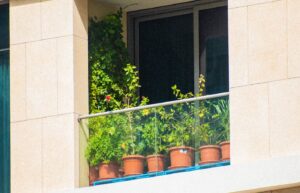
A sunny apartment railing can look like enough space for a whole garden, but a few pots quickly reveal the real limits. Soil dries faster above the ground, wind leans on tender stems, and every container has to fit around doors, chairs, and daily movement. That does not make balcony vegetables difficult, but it does mean the first choices matter.
How to grow vegetables on a balcony starts with matching plants to the balcony you actually have. A bright railing, a shaded corner, a windy upper floor, and a narrow rental balcony all need different decisions. Start with a few containers, learn how they behave, and build from there.
Check the balcony light before choosing crops
Vegetables need light, but they do not all need the same amount. Tomatoes, peppers, cucumbers, beans, and eggplants usually need long stretches of direct sun to produce well. Leafy greens, green onions, parsley, chives, and some herbs can handle less light if the balcony is still bright. A crop that fits the light will be much easier than one that is always struggling.
Watch the balcony across one full day before buying plants. Check morning, midday, and late afternoon. Notice where the sun actually lands, not just which direction the balcony faces. Railings, roof overhangs, nearby buildings, trees, privacy screens, and walls can change the useful light a lot.
Write down the brightest spots and the hottest spots separately. The sunniest railing may be perfect for tomatoes but too harsh for lettuce in summer. A bright wall corner may grow herbs well but dry out very quickly. These small differences are the map for your balcony vegetable garden.
If the balcony receives only a few hours of gentle light, choose crops that give edible leaves instead of heavy fruit. If it receives strong afternoon sun, plan for larger pots and more frequent water checks. Light decides the first crop list, and the crop list decides almost everything else.
Start with compact vegetables that fit containers
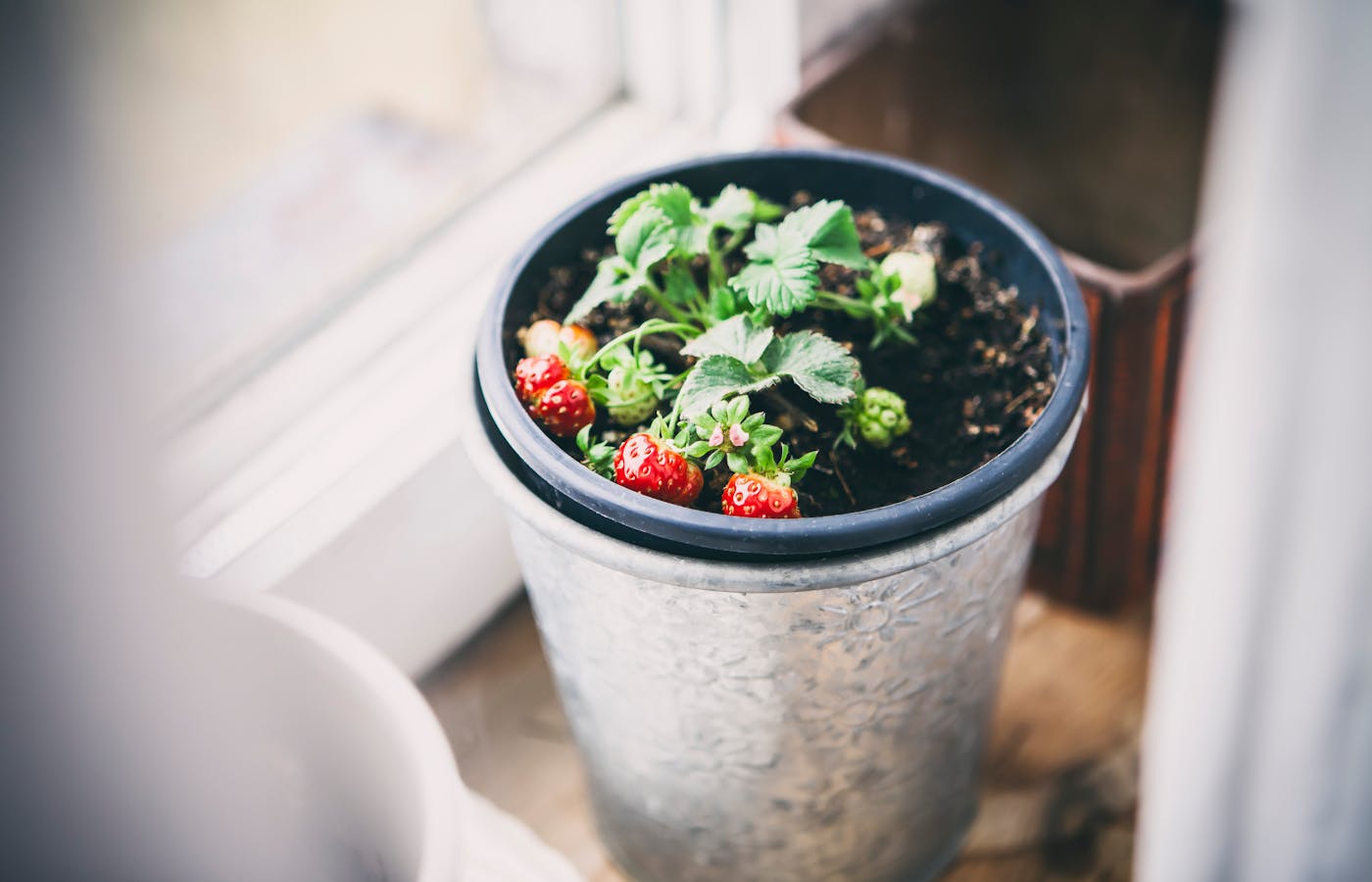
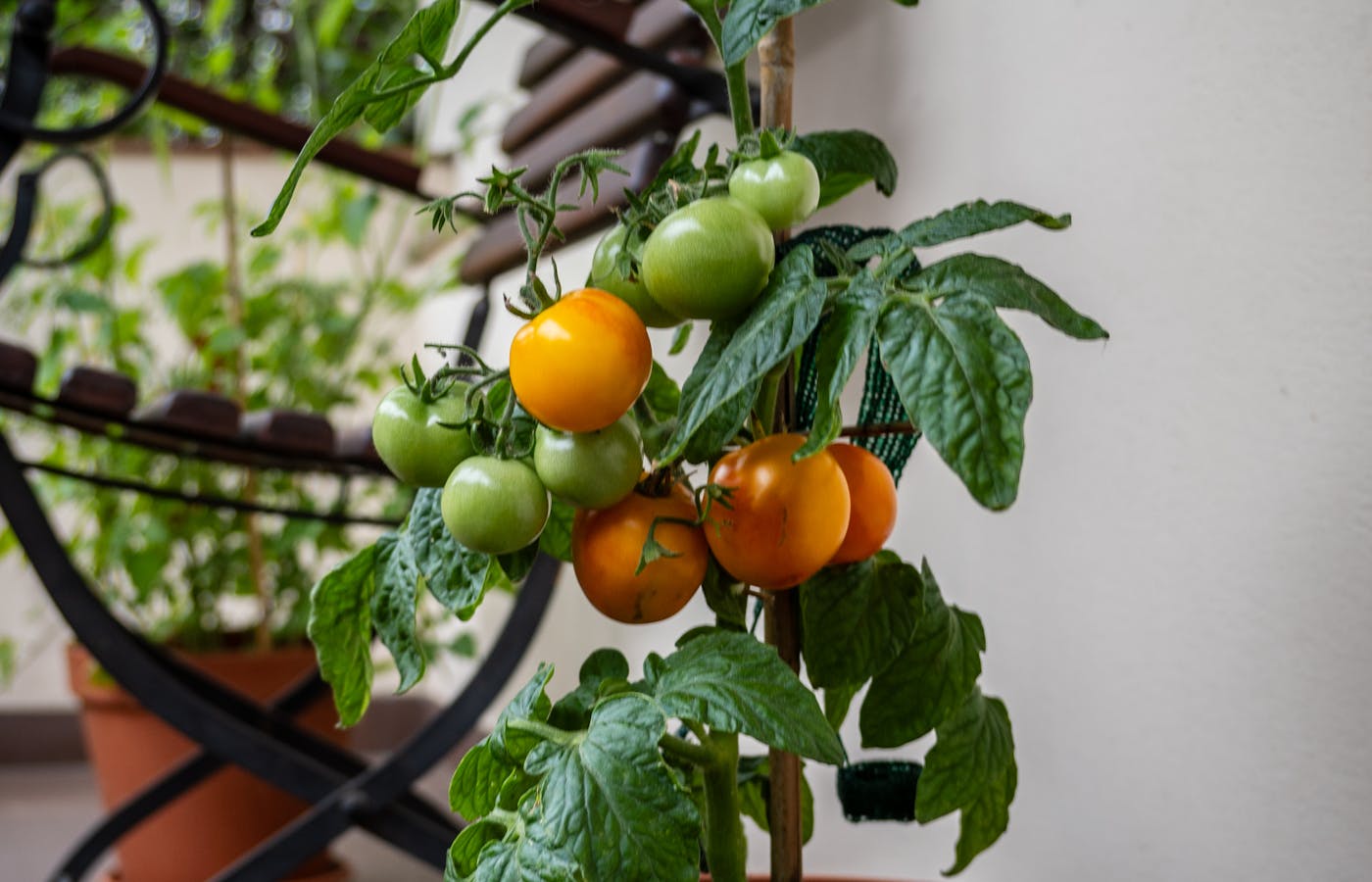
Balcony gardening rewards compact crops. Large vegetables can work, but they need deeper pots, strong support, and more water. Beginners usually have better results with vegetables bred for containers, dwarf varieties, herbs, leafy greens, cherry tomatoes, compact peppers, radishes, bush beans, and green onions.
Do not plant every vegetable you like eating in the first season. Choose two or three types and learn their rhythm. A single tomato plant can teach watering, feeding, pruning, support, and harvesting. A shallow greens box can teach quick succession planting. A herb pot can teach daily picking and simple trimming.
Seed packets and plant labels often mention spacing, mature height, and sun needs. Read those details before buying. If a plant wants three feet of space and a deep root area, it may not belong on a narrow balcony unless you are ready to give it a large container and steady care.
| Vegetable type | Balcony fit | What to watch |
|---|---|---|
| Leaf lettuce | Wide shallow box | Heat and drying soil |
| Cherry tomato | Deep pot with support | Sun, water, and wind |
| Green onions | Medium pot or trough | Regular cutting |
| Compact pepper | Deep medium pot | Warmth and steady feeding |
Use deeper pots and container potting mix
Vegetables ask more from their roots than many decorative balcony plants. A pot that is too small dries out quickly and limits growth. A pot without drainage can hold water around the roots and weaken the plant. For most edible crops, choose containers with drainage holes, enough depth, and a stable base.
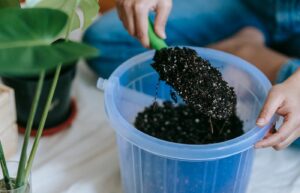
Use potting mix made for containers rather than dense garden soil. Container mix drains better, holds air around the roots, and is lighter on a balcony. Garden soil can compact in pots, drain poorly, and become heavy when wet. If weight is a concern, keep the garden modest and use lightweight containers where they make sense.
Leave a little space below the rim of each pot. This watering space keeps soil from washing over the sides every time you water. It also makes it easier to add mulch or compost later. A pot filled to the very top usually creates more mess and less control.
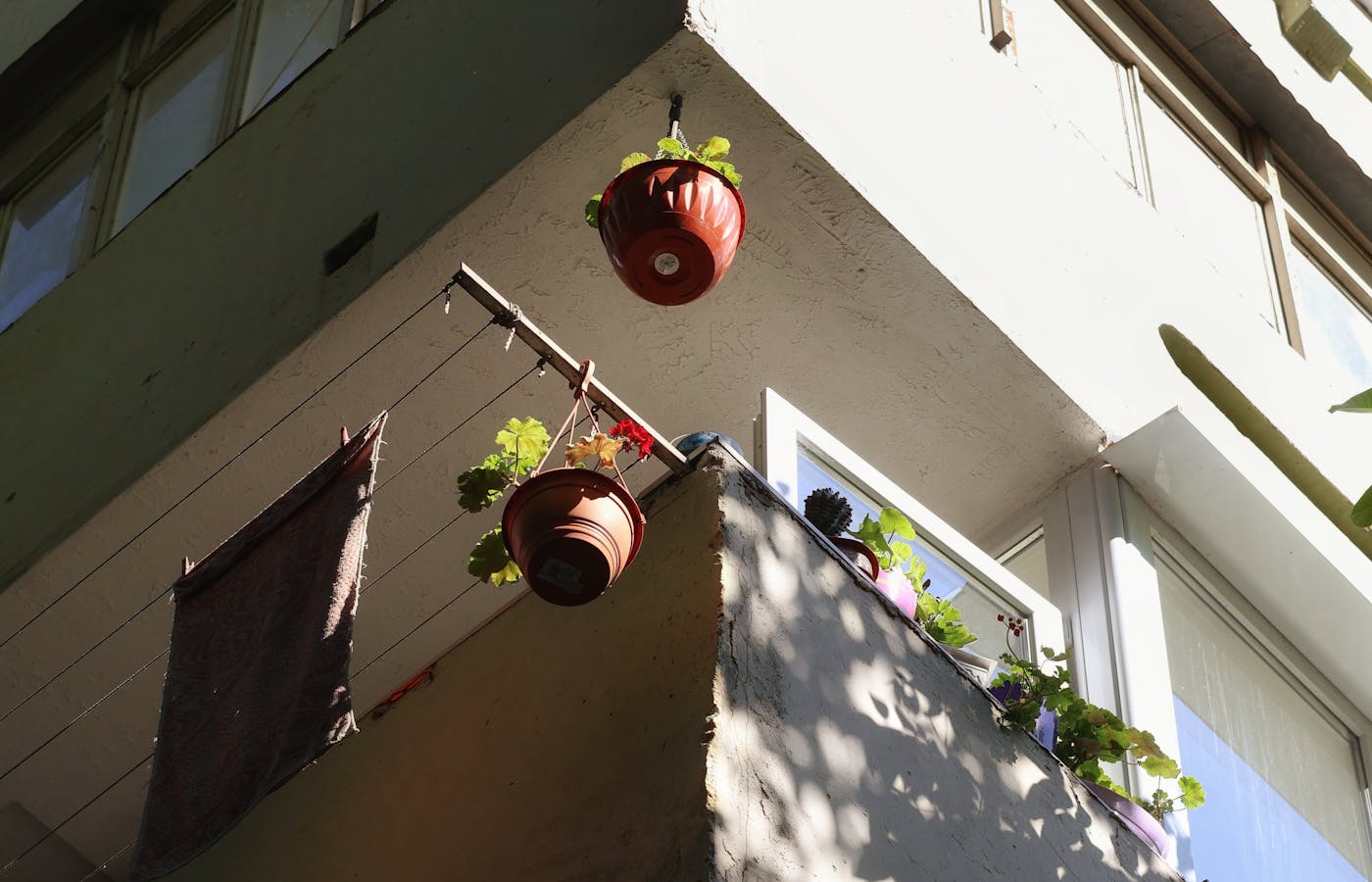
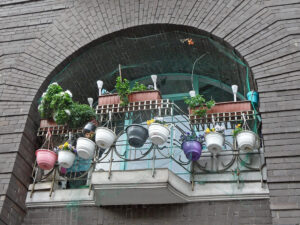
Container spacing matters more on balconies than it does in open garden beds. Crowded pots dry unevenly, block airflow, and make it harder to water without spills. If the balcony uses rails, shelves, and floor pots together, hanging plants for apartment balconies can keep trailing growth useful instead of messy.
Place vegetables where care stays easy
Vegetables need regular attention, so the layout should make care simple. Put plants where you can reach the soil, check leaves, tie stems, remove damaged growth, and harvest without moving furniture. If a plant is hard to reach, small problems will be missed until they become larger. If the balcony also uses hanging plants, keep vegetable containers where they are not shaded or dripped on from above.
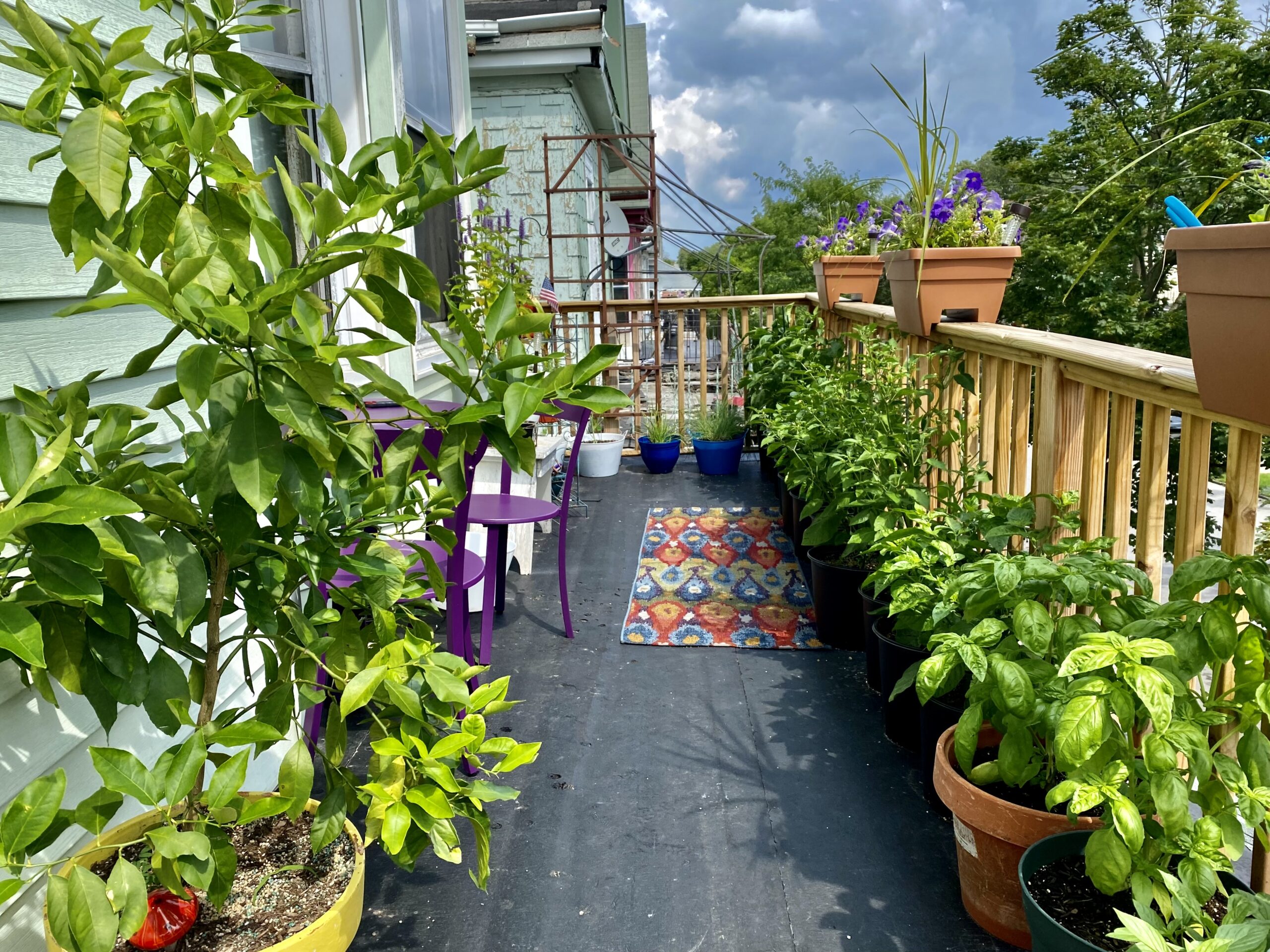
Group plants with similar water needs when possible. Thirsty tomatoes and peppers can sit near each other. Herbs that prefer slightly drier soil can stay in another area. Keep tall plants from shading small greens unless you want that shade during hot weather. A balcony layout should support plant care before it supports a pretty photo.
Watering should be boring and repeatable. Use a small watering can, water slowly, and stop before runoff becomes a balcony problem. A simple tray under each pot can help, but trays should be emptied after watering so roots do not sit in stale water. That is why gardening on a balcony without soil spills depends on both watering control and container placement.
Leave a clear walking path, even on a very small balcony. Vegetables need checking from more than one angle as they grow, and harvest is easier when you can reach the back of a container without stepping over another pot. A plant you can reach is a plant you are more likely to maintain. Keep that same layout practical after watering and harvesting, not only while the containers still look new.
Water balcony vegetables by checking the soil
Container vegetables can dry faster than garden-bed vegetables because roots are surrounded by air on every side. Sun, wind, railings, dark pots, and reflective walls all speed up drying. At the same time, daily watering by habit can drown roots if the soil is still wet. The better habit is to check first.
Push a finger into the top inch or two of the potting mix. If it feels dry and the plant is actively growing, water slowly until the root area is evenly moist and excess water starts to drain. If the soil still feels damp, wait. Consistent checking is more reliable than guessing from the calendar.
Water at the soil surface instead of spraying leaves from above. Morning is usually a good time because plants start the day hydrated and wet leaves can dry. During hot spells, some containers may need a second check later in the day, especially small pots or crops in full sun.
- Use a gentle watering can instead of a strong stream.
- Check small pots more often than large pots.
- Empty saucers if water stands too long.
- Mulch the surface lightly if soil dries too fast.
- Move stressed plants away from harsh afternoon heat when possible.
Support, feed, and harvest vegetables regularly
Balcony vegetables do better when support is added before the plant needs it. Tomatoes, beans, cucumbers, and some peppers may need stakes, cages, strings, or small trellises. Waiting until stems are heavy can make the plant harder to tie without snapping branches or disturbing roots.
Container vegetables also use nutrients from a limited amount of potting mix. Start with a quality mix, then feed according to the plant and product directions. More fertilizer is not automatically better. Too much can burn roots or push leafy growth at the expense of fruit. A steady, moderate routine is safer than sudden heavy feeding.
Harvest often when crops are ready. Picking lettuce leaves, herbs, beans, peppers, and ripe tomatoes encourages continued growth and keeps the plant from wasting energy on old produce. Regular harvesting also helps you notice pests, yellow leaves, cracked fruit, dry soil, or stems that need tying.
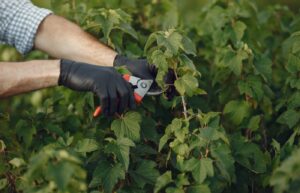
Use clean scissors or pruners for harvests that do not snap off easily. Tugging hard on a container plant can loosen roots or pull a small pot sideways. Gentle harvesting matters more on a balcony because every plant is anchored in a limited amount of soil.
Keep a small weekly balcony vegetable routine
A balcony vegetable garden becomes easier when care repeats in a simple order. You do not need to inspect every leaf every day, but a weekly routine keeps watering, feeding, support, and harvest from becoming guesswork. It also helps keep the balcony clean enough for everyday use.
Use this routine once a week:
- Check each pot for dry soil, blocked drainage, or standing water.
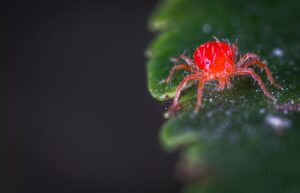
- Look under leaves for pests, yellowing, holes, or sticky residue.
- Tie or adjust stems before they lean into walkways or railings.
- Remove dead leaves and fallen fruit from the soil surface.
- Harvest ready greens, herbs, peppers, beans, or tomatoes.
- Feed plants only when the crop and schedule call for it.
- Sweep soil crumbs and rinse trays before they build up.
End the week by noticing what worked. If one pot dries too fast, move it, mulch it, or use a larger container next time. If one crop grows well, repeat it. If another stays weak despite care, replace it with something better matched to your light.
A productive balcony vegetable garden is less about making a miniature farm and more about choosing the right few crops for the space. Give them enough light, deeper pots, steady water, support, and regular harvests. With that rhythm, a small balcony can produce useful food without taking over the whole outdoor area.