Balcony Vegetable Garden Plan for Beginners
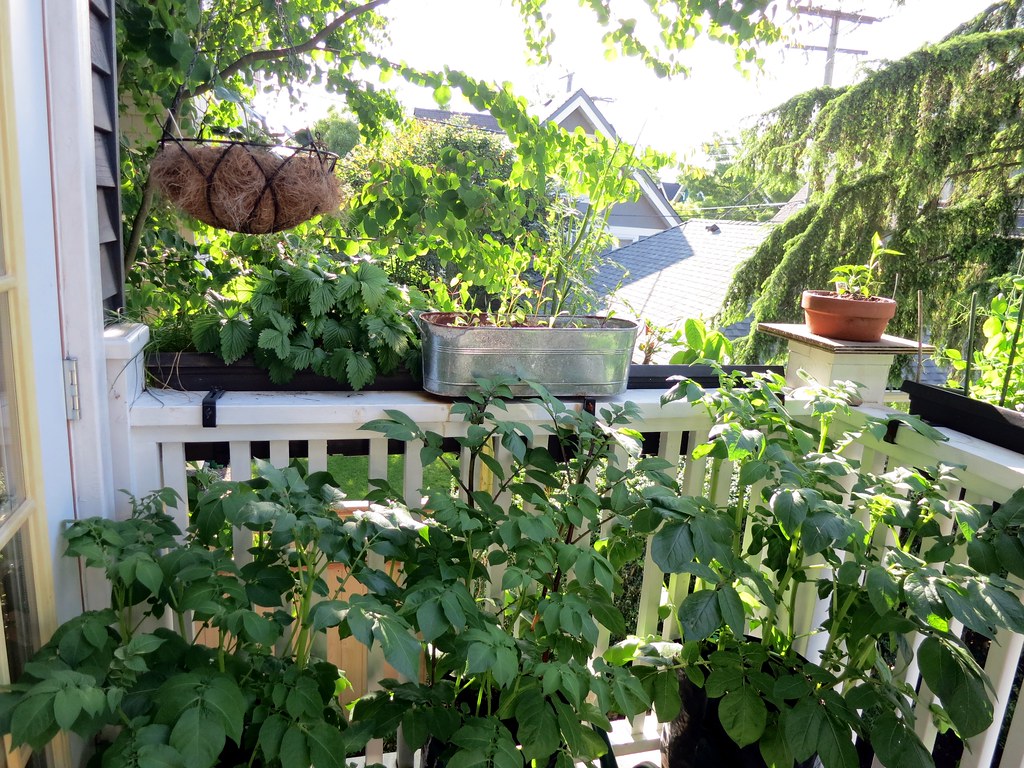
A balcony vegetable garden feels exciting until the balcony starts asking practical questions. How much sun reaches the railing? Where will water drain? Which pots can you lift? What can grow without turning the whole space into a crowded obstacle course? A good plan answers those questions before the first bag of soil comes home.
A balcony vegetable garden plan for beginners should start small enough to care for well. Two healthy containers are better than ten stressed ones. When the layout, crop choice, and watering routine fit your real balcony, vegetables become part of daily life instead of another project waiting to fail.
Measure sunlight before choosing vegetables
Vegetables are usually more demanding about light than decorative foliage plants. Fruiting crops such as tomatoes, peppers, cucumbers, and beans need several hours of direct sun to grow strongly and produce well. Leafy crops such as lettuce, spinach, arugula, and many herbs can handle less light, especially if the balcony is bright but not hot all day.
Track sunlight for a normal day before buying plants. Look at the balcony in the morning, midday, and late afternoon. Notice whether buildings, railings, trees, or roof overhangs block the sun. A south or west exposure may feel promising, but a tall neighboring wall can still reduce usable light. A shady balcony is not useless; it simply needs different crops.
Write down the brightest areas and the hottest areas separately. A railing may receive strong light but also dry out quickly. A corner may be easier to water but too dim for tomatoes. Matching crops to the micro-spots on the balcony prevents disappointment later.
If you are unsure, start with forgiving crops. Leaf lettuce, green onions, parsley, mint in its own pot, basil in warm light, compact peppers, and cherry tomatoes are easier to understand than a crowded mix of large vegetables.
Choose containers by root depth and balcony limits
Container size controls how stable the garden feels. Small pots dry quickly, tip in wind, and restrict roots. Oversized containers can be heavy, awkward to move, and unnecessary for shallow crops. Beginners usually do best with a few medium containers chosen for specific vegetables instead of a random collection of cute pots.
Check drainage first. Every vegetable container needs drainage holes and a way for water to leave without damaging the balcony or dripping onto neighbors. Saucers can help, but standing water can also attract pests and weaken roots. Use pot feet, trays, or careful watering if your building has drainage rules.
| Crop type | Container idea | Beginner note |
|---|---|---|
| Lettuce and greens | Wide shallow box | Easy to harvest in small amounts |
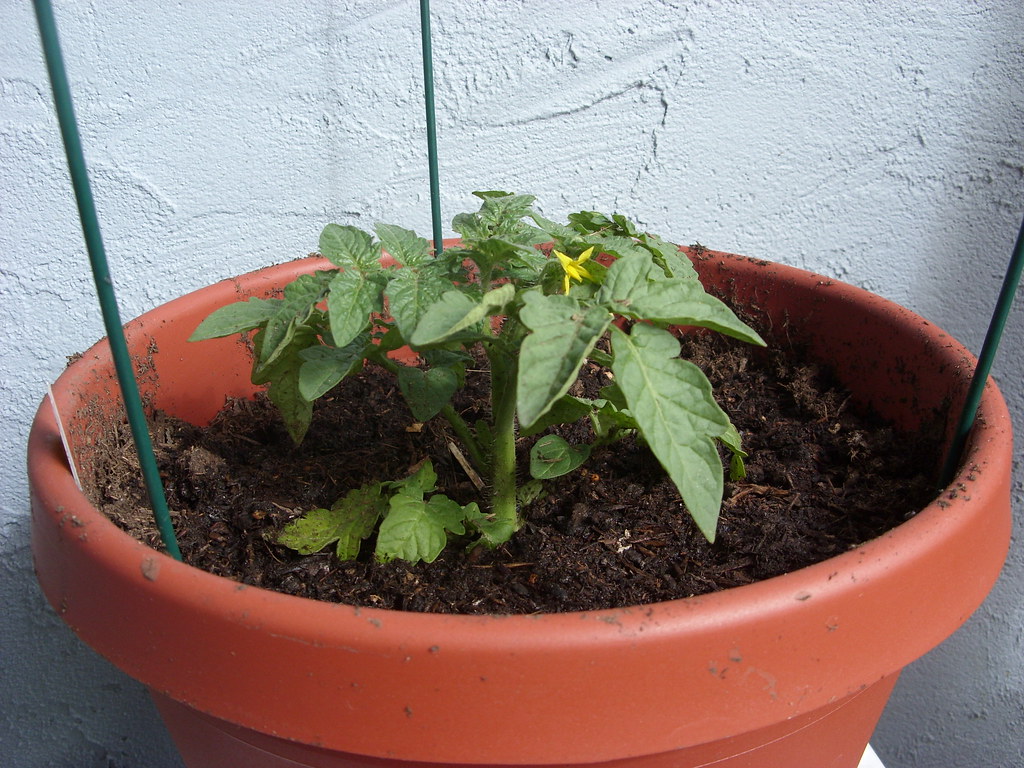
| Cherry tomato | Deep pot with support | Needs strong sun and steady water |
| Herbs | Separate small pots | Mint should stay alone |
Balcony weight matters too. Wet soil is heavy, and large planters can add up quickly. If your balcony has strict limits or you are unsure, keep the garden modest and use lighter potting mix made for containers. Never assume a balcony can handle raised-bed amounts of soil.
Pick a small crop list instead of planting everything
The easiest beginner mistake is choosing vegetables like a grocery list. Tomatoes, cucumbers, carrots, peppers, lettuce, herbs, beans, strawberries, and radishes may all sound possible, but each one asks for space, light, water, and attention. A balcony works better when the first season has a short crop list with clear roles.
Build the crop list around one main crop, one quick crop, and one flavor crop. The main crop might be a cherry tomato or compact pepper. The quick crop might be lettuce, radishes, or arugula. The flavor crop might be basil, parsley, cilantro, chives, or thyme. This gives variety without making the balcony feel like a tiny farm with too many competing needs.
Start with a few containers and learn the space before adding more. A balcony vegetable garden is easier to adjust when you can still reach each pot, turn it, and water it without knocking over another plant. A steady routine matters more than filling every open corner right away.
- One cherry tomato, one lettuce box, and one basil pot.
- Two herb pots, one pepper plant, and one container of green onions.
- One pea or bean container, one parsley pot, and one shallow greens box.
- One compact tomato, one chive pot, and one arugula container.
Buy plants or seeds based on the season where you live. A balcony vegetable plan only works when the crop likes the current weather. The right season can make a small balcony feel much easier to manage. Cool-season greens may struggle in hot sun, while basil and tomatoes may sulk in cold nights.
Arrange pots so care is easy, not just pretty
A balcony garden has to leave room for people. If every step requires turning sideways around pots, watering becomes annoying and plants get neglected. Place containers where you can reach the soil, check leaves, prune, harvest, and clean up spills without moving half the garden each time.
Put thirsty plants where watering is convenient. Put sun-loving plants in the brightest line. Keep tall plants from shading small greens unless shade is intentional. If wind is strong, place heavier pots near protected corners and use sturdy supports before plants get large. A tomato cage added too late can damage roots and stems.
Think vertically with caution. Railing planters, shelves, and hanging baskets can save floor space, but they also change watering and wind exposure. A hanging edible plant may dry faster than a floor pot. A shelf can shade the plants below it. Useful vertical space still needs airflow, access, and safe weight distribution. Use the same simple judgment you would use when starting a small garden at home: add only the vertical pieces you can still water, reach, and maintain.
Leave one clear work spot. Even a small corner for a watering can, hand trowel, scissors, and a tray makes the garden easier to maintain. Without a work spot, soil bags and tools tend to migrate into the living area or stay outside where they get wet.
Build a watering rhythm before hot weather arrives
Balcony vegetables depend on consistent watering because containers cannot pull moisture from deep ground. Wind, sun, dark pots, small containers, and reflective walls can dry soil quickly. At the same time, overwatering can suffocate roots if drainage is poor. The goal is a rhythm based on checking soil, not guessing from the calendar alone.
Use your finger to check the top inch or two of potting mix. If it feels dry and the plant is a thirsty vegetable, water deeply until moisture reaches the lower roots and drains out. Shallow sips encourage shallow roots. For greens and herbs, consistent moisture matters; for tomatoes and peppers, swings between very dry and very wet can stress the plant.
Morning watering is usually easier to manage because plants enter the day hydrated and leaves have time to dry. Evening watering can work in hot weather, but avoid leaving foliage wet overnight if the balcony has poor airflow. Saucers should not stay full for long periods unless the plant specifically needs that setup.
Mulch can help even in containers. A thin layer of straw, shredded leaves, or clean potting mix on top can slow drying. Keep it light and do not bury stems. The point is to reduce stress, not trap moisture against the plant.
Use a simple setup routine for the first season
A first balcony vegetable garden should be easy to launch and easy to correct. You do not need every tool, support, fertilizer, and container on day one. Start with the essentials, watch how the balcony behaves, and adjust before adding more crops. This keeps mistakes small and visible.
Use this setup routine:
- Track sunlight for one normal day.
- Choose one main crop, one quick crop, and one flavor crop.
- Pick containers with drainage and enough root depth.
- Place pots where watering and harvesting are easy.
- Add supports before tall crops lean.
- Check soil moisture daily for the first two weeks.
- Wait before adding more containers.
The waiting step is important. After two or three weeks, you will know whether the balcony is hotter, windier, shadier, or thirstier than expected. That information is more useful than a perfect plan made before the plants are living there.
A balcony vegetable garden does not need to feed the whole household to be worth it. Fresh herbs, a few salads, a bowl of cherry tomatoes, or quick greens can make the space feel alive. Start with a layout you can care for, keep the crop list small, and let the balcony teach you what it can grow well.