Best Balcony Plants for Shade
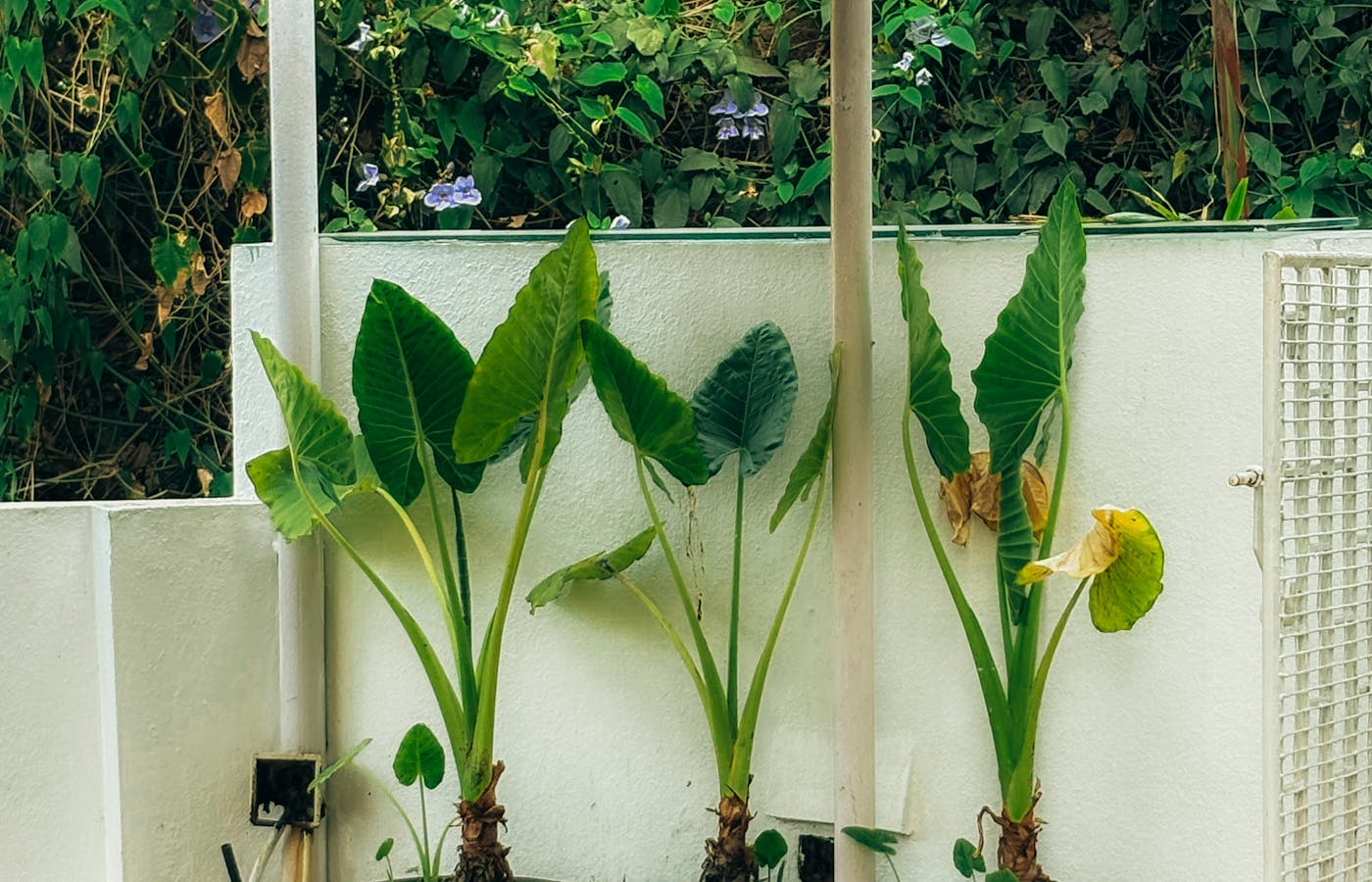
A shaded balcony can look disappointing at first if every plant label seems to promise flowers for full sun. The good news is that shade does not mean empty. It means you need plants that enjoy softer light, steadier moisture, and a calmer growing pace.
Choosing the best balcony plants for shade starts with reading the balcony before buying anything. Some balconies get bright indirect light all day. Others receive only a narrow strip of morning sun. A plant that loves gentle shade can still struggle if the space is dark, windy, cramped, or watered like a sunny container.
I would treat a shade balcony as a foliage garden first. Leaves, texture, height, and pot grouping carry the design. Flowers can still happen, but the most reliable beginner result usually comes from plants that look good even when they are not blooming.
Identify what kind of shade your balcony has
Shade is not one single condition. A north-facing balcony, a balcony under a roof, a balcony blocked by another building, and a balcony shaded by trees all behave differently. The first job is to notice how much usable light reaches the plants, not just whether the balcony feels bright to your eyes.
Watch the space for a full day if possible. Morning sun is usually gentler than hot afternoon sun. Bright indirect light can support many leafy plants even without direct rays. Deep shade, where you can barely see a strong shadow at any point, needs tougher expectations and fewer flowering promises. This observation prevents you from blaming yourself for plants that never had enough light.
Also look at reflected light. White walls, pale floors, glass doors, and nearby windows can brighten a balcony. Dark brick, deep overhangs, and tall railings can make the same square footage much dimmer. Two balconies on the same side of a building can need different plants because of these details.
Take one photo in the morning, one at midday, and one late in the afternoon. The pattern will tell you whether to shop for bright shade, partial shade, or low-light tolerance.
Choose foliage plants before chasing flowers
Flowering plants often need more light than beginners expect. In shade, many of them stretch, bloom weakly, or stop flowering after the first nursery flush. Foliage plants are usually more forgiving because their main value is leaf shape, color, size, and texture. That makes them useful for balconies that do not get enough sun for constant blooms.
Good shade balcony choices often include ferns, caladiums, coleus in bright shade, begonias, impatiens, peace lilies in protected warm areas, pothos in sheltered containers, and some hostas if the climate and pot depth fit. The exact choice depends on your region, but the principle stays the same: pick plants that are sold for shade or bright indirect light, not plants you hope will adapt.
Mix leaf shapes instead of buying five plants that look the same. A fern gives soft movement. A broad-leaf plant adds weight. A trailing plant can soften a railing or shelf. A patterned leaf can replace flowers visually. This makes the balcony feel intentional even with simple plants.
If you want flowers, use them as accents rather than the whole plan. A few shade-friendly blooms can work beautifully when the base planting is already strong.
Match plant choices to pot size and balcony exposure
Shade plants still need the right container. A plant that likes steady moisture may dry out too quickly in a tiny pot, especially if wind moves through the balcony. A plant with large leaves may tip over if the container is too light. A trailing plant may look lovely, but it still needs root space and safe placement.
Choose pot size by root needs and watering rhythm, not by how empty the balcony looks today. Small pots are easy to arrange, but they dry unevenly and leave less room for mistakes. Larger pots hold moisture longer and can support bigger leaves, but they add weight. On balconies, weight and drainage always deserve attention.
| Plant style | Best use in shade | Container note |
|---|---|---|
| Ferns | Soft texture in bright shade | Use a pot that holds moisture without sitting soggy |
| Begonias | Colorful leaves or shade blooms | Protect from harsh wind and overwatering |
| Trailing pothos | Shelves, walls, or protected railings | Keep out of cold drafts and intense direct sun |
| Caladiums | Bold leaf color in warm shade | Use roomy pots and steady moisture |
Wind changes everything. A shaded balcony can still be harsh if wind dries leaves, knocks pots, or cools the soil. Use heavier containers for top-heavy plants and avoid placing delicate leaves where they whip against railings.
Build a simple shade balcony plant shortlist
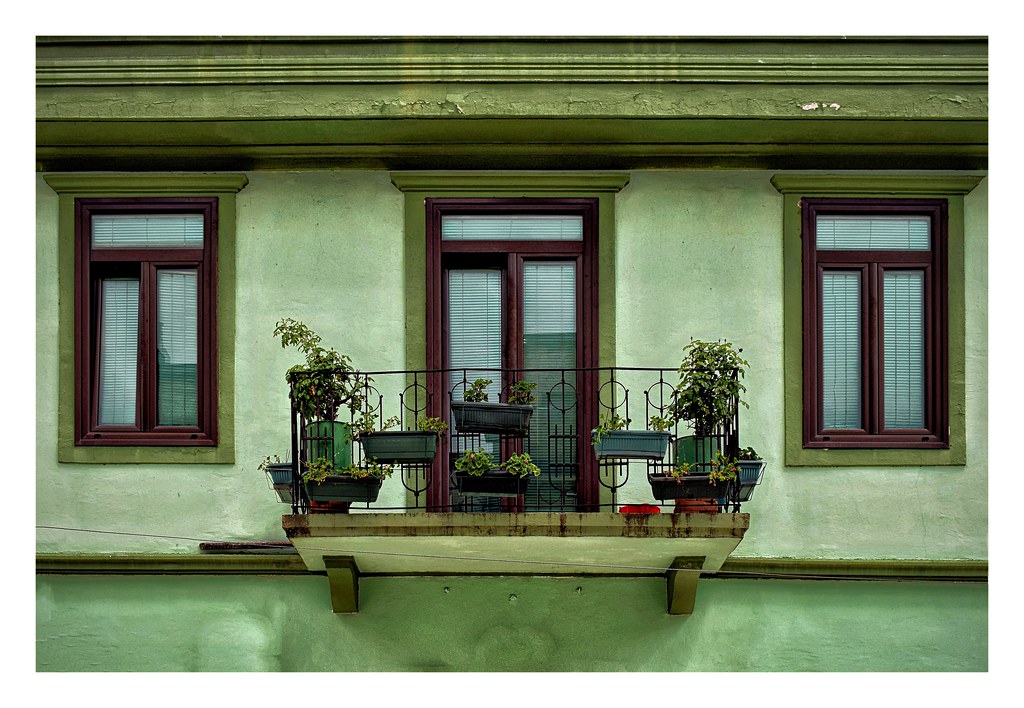
A shortlist keeps you from buying random plants just because they look healthy at the shop. Start with three roles: one upright plant, one soft filler, and one trailing or edge plant. Those roles create shape without needing many containers. If the balcony is very small, even two roles can be enough.
For bright shade, you have more options. Coleus, begonias, caladiums, ferns, and some herbs like mint or parsley may work depending on climate. For deeper shade, lean toward foliage and be realistic about growth speed. Plants may stay smaller, need less frequent watering, and grow more slowly than they would in brighter light.
A beginner-friendly shade balcony can start with:
- One leafy anchor plant for height or broad texture.
- One fern or soft filler plant for movement.
- One trailing plant for a shelf, wall hook, or railing-safe container.
- One seasonal color plant only if the light is bright enough.
Do not crowd every corner immediately. Shade plants often look better when their leaves have space to spread. A balcony packed too tightly can trap moisture, hide pests, and make watering awkward.
Adjust watering because shade dries more slowly
Shade containers usually dry more slowly than full-sun pots, but that does not mean they should stay wet. Overwatering is one of the easiest ways to ruin a shaded balcony garden. The top of the pot may look dry while the lower soil stays damp, especially in deep containers or humid weather.
Check the soil before watering. Use a finger test, a wooden skewer, or the weight of the pot after you learn the difference between wet and dry. Water when the plant and soil actually need it, not simply because it is your usual watering day. In shade, a rigid schedule can create soggy roots.
Drainage matters even more when light is limited. Every pot should have a drainage hole unless it is being used as an outer cachepot with a removable nursery pot inside. Empty saucers after watering if water sits there. Roots need moisture and air, not a permanent puddle.
A shaded balcony usually rewards patience: slower watering, slower buying, and slower changes.
If leaves yellow, stems soften, or the soil smells sour, pause watering and inspect the pot. If leaves crisp at the edges, the issue may be wind, low humidity, underwatering, or sudden sun exposure rather than shade itself.
Place plants so the balcony stays easy to care for
Placement is where a shade balcony becomes practical. Put plants where you can water without spilling into the neighbor’s space, sweep dropped leaves easily, and reach each pot for pruning or pest checks. A pretty arrangement that blocks the door or hides the back row will become annoying fast.
Use vertical surfaces carefully. Shelves, railing planters, wall hooks, and plant stands can help small balconies, but they must be stable. A shaded balcony may still get wind gusts, and wet pots are heavier than dry pots. Keep the heaviest containers low and the most delicate plants away from exposed edges.
Use this simple placement routine:
- Put the largest container down first where weight and drainage are safest.
- Place medium pots where they receive the brightest available shade.
- Add trailing plants only where stems will not snag on chairs or railings.
- Leave a walking and watering path before adding decorative extras.
- Check the arrangement after one week and move only the plant that clearly needs adjustment.
The best shade balcony plants are the ones that fit the light you actually have. Start with foliage, choose containers that match the plant, water by soil condition, and leave enough room to care for everything. A shaded balcony can become calm and full without pretending to be a sunny garden.