Best Pruning Tools for Fixing Problem Growth
Small gardens do not need a wall full of cutting tools. A balcony corner, patio bed, raised planter, narrow side yard, or compact herb area usually needs a few tools that match the stems you actually cut. Buying too many tools can make pruning feel complicated before the first branch is even trimmed.
The best pruning tools for small gardens are the ones that feel comfortable, fit the plant size, store easily, and make clean cuts without crushing stems. A good setup might include hand pruners, small snips, gloves, and eventually loppers or a folding saw if the plants grow woodier.
I like choosing pruning tools by job, not by the biggest set on the shelf. If a tool solves a real pruning problem in your garden, it earns space. If it only looks useful, it can wait.
Start with the plants you actually prune
The right pruning kit begins with the plants in front of you. A small garden with basil, mint, tomatoes, flowers, and a few houseplants needs different tools from a compact yard with roses, shrubs, dwarf citrus, or young trees. Tool choice should follow stem size, not wishful shopping.
Walk through the garden and notice what you cut most often. Soft herbs and tender flowers may need small snips. Thin green stems may need hand pruners. Older rose canes, woody shrubs, or fruiting branches may eventually need loppers. A thick branch should not be forced through a tool made for small stems.
This first walk also protects storage space. Small gardens often share space with chairs, pots, hoses, soil bags, and cleaning supplies. A compact set that handles weekly tasks is better than a bulky collection that gets buried and ignored.
If you are new, do not buy for every possible future plant. Buy for the stems you already have, then add one tool when the garden clearly asks for it. That approach also makes pruning less intimidating because each tool has a clear job before it enters the shed, drawer, or patio storage box.
Choose bypass hand pruners for most everyday cuts
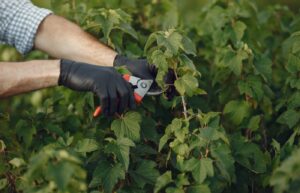
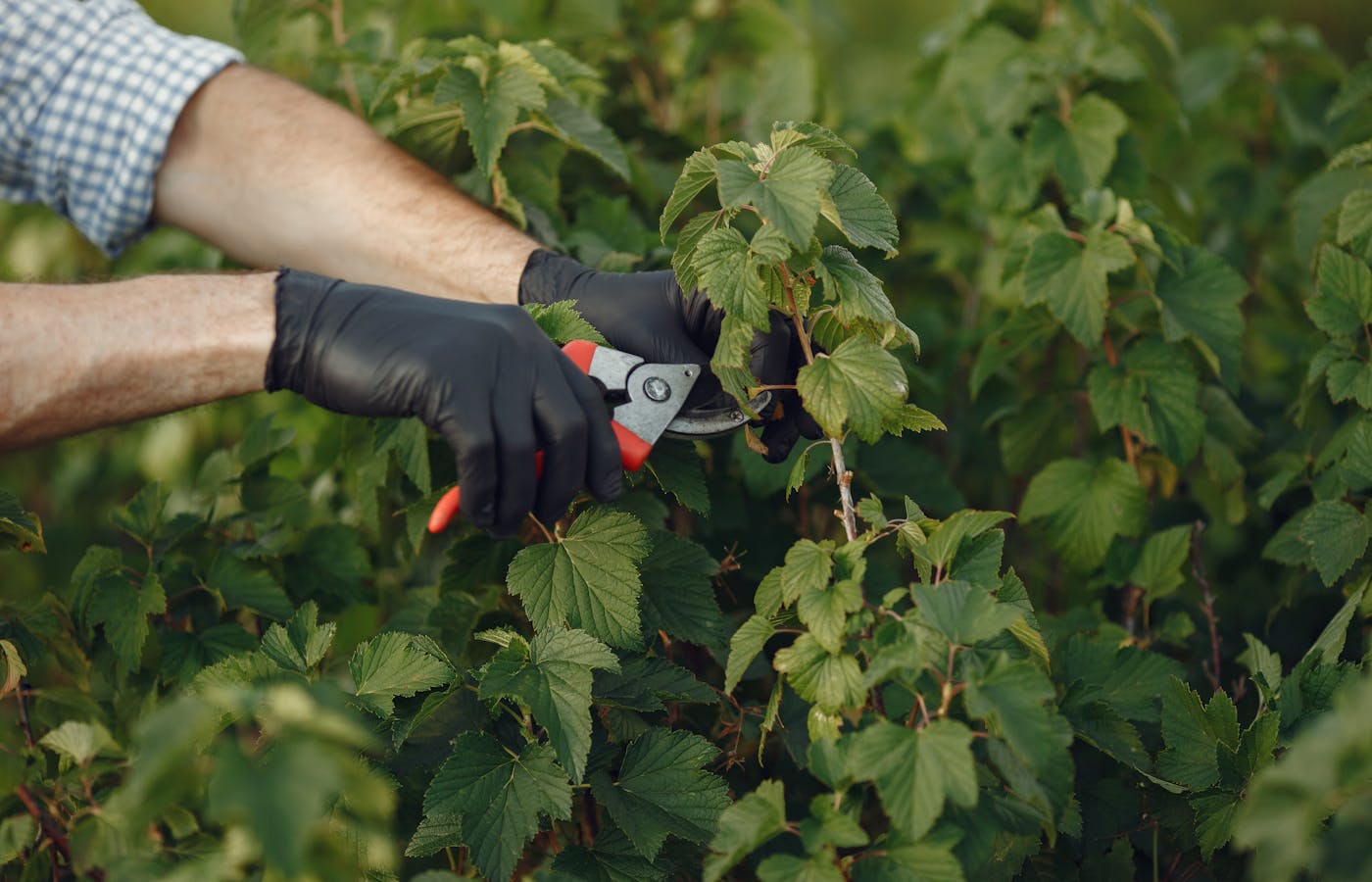
Bypass hand pruners are usually the first serious pruning tool for a small garden. They work like scissors, with two blades passing each other to make a clean cut. That matters for living stems because crushed tissue can heal poorly and invite more stress than a tidy cut.
Use bypass pruners for roses, young shrubs, thin branches, tomato stems, spent flower stems, and many routine shaping cuts. The tool should open and close smoothly, lock securely, and fit your hand without forcing your wrist into an awkward angle. If the handles feel too wide or heavy in the store, they will not improve during a long pruning session.
Cutting capacity matters. Many beginner pruners list a maximum branch diameter, but that limit assumes sharp blades and reasonable hand strength. A clean easy cut is a better sign than reaching the largest number on the package. In practice, it is kinder to the plant and your hand to use pruners below their maximum, then switch tools when stems get tougher.
Look for replaceable parts if possible. A tool with a replaceable spring or blade can last longer than a cheap pair that becomes useless after one sticky season.
Add small snips for herbs, seedlings, and precise work
Small snips are useful when hand pruners feel clumsy. They are lighter, narrower, and easier to use around herbs, seedlings, dead flower heads, houseplants, and crowded container plants. If you grow edible herbs on a balcony or windowsill, snips may become the tool you reach for most often.
Snips should be sharp enough to cut cleanly without pulling the plant. Dull snips can bruise basil, tear thin stems, or make harvesting feel rough. Choose a pair with a comfortable grip and a lock or cover, especially if they will live in a drawer with other tools.
They are not a replacement for pruners. The mistake is using tiny snips on woody stems because they are nearby. That can bend the blades and leave ragged cuts. Treat snips as detail tools: harvesting, tidying, thinning, and trimming soft growth.
For small gardens, a good pair of snips can reduce overcutting. The smaller tool encourages you to remove only what needs to go instead of reshaping the whole plant by accident. Keep them clean if you use them on edible herbs, and store them where the tips cannot catch on fabric, bags, or fingers.
Use loppers only when stems are too much for one hand
Loppers are the next step up from hand pruners. They have long handles that give more leverage, which helps with thicker stems and woody shrub growth. In a small garden, they are useful only if you have plants that truly need them. Otherwise, they take up storage space and tempt beginners to cut more aggressively than necessary.
Choose compact bypass loppers for living branches if your garden includes roses, hydrangeas, berry canes, small fruit trees, or shrubs that develop older wood. Long handles help, but they can be awkward in narrow patios or dense container corners. A shorter pair may be easier to control in a tight space.
Do not use loppers as a shortcut for poor access. If the branch is hidden, tangled, or under tension, pause and clear your view before cutting. A cleaner angle usually creates a better cut and prevents accidentally removing the wrong stem.
When loppers struggle, that is a sign to stop. Twisting, chewing, or bouncing the blades through a branch damages both the plant and the tool. A pruning saw may be the safer choice for that one cut.
Keep a folding pruning saw for occasional woody branches
A folding pruning saw is not always necessary in the first month, but it is useful once a small garden has woody shrubs or small trees. The folding design stores more safely than an exposed blade, and the saw can handle branches that are too thick for pruners or loppers.
Use a pruning saw for occasional structural cuts, not casual trimming. It removes wood quickly, so every cut should have a reason. Look for a comfortable handle, a blade that locks open, and teeth designed for green wood. A household saw is not the same tool and may leave rougher cuts on living branches.
Good saw habits include:
- Cutting only branches you can see clearly.
- Supporting the branch when possible so bark does not tear.
- Keeping hands away from the cutting path.
- Folding or covering the blade immediately after use.
- Cleaning sap from the blade before storage.
If your garden has only herbs, annual flowers, and small vegetables, skip the saw for now. The best tool is the one that matches the garden, not the one that sounds most complete.
Do not ignore gloves, blade comfort, and hand fatigue
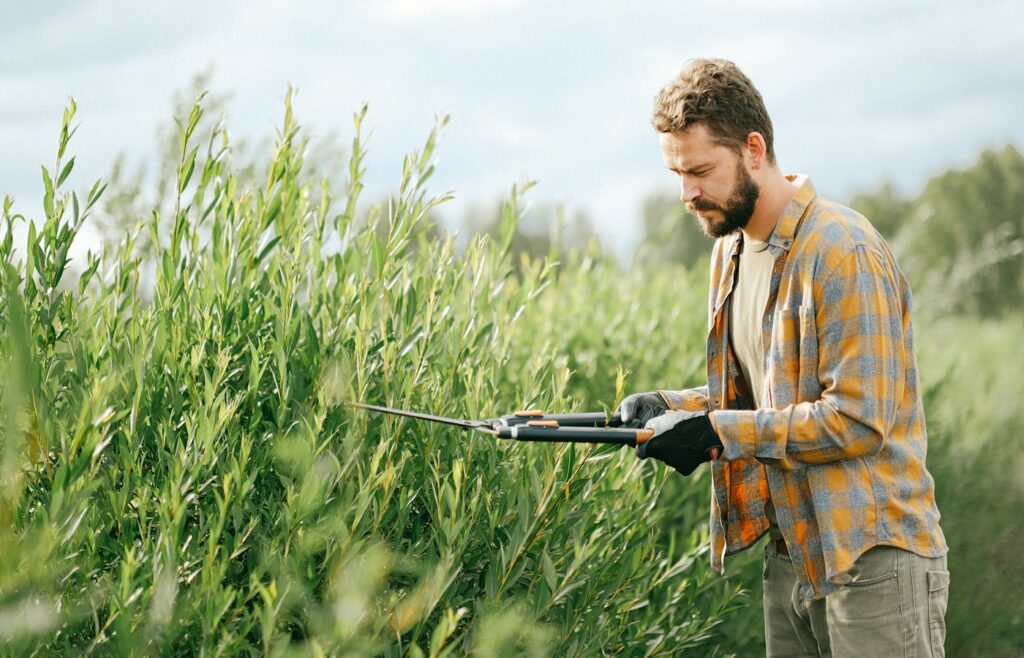
Pruning tools are not only about blades. Gloves, grip size, tool weight, and spring tension all affect how safely and calmly you work. A sharp tool that hurts your hand will sit unused, and a tool that slips can make a simple cut feel risky.
Gloves help with thorns, rough stems, soil, and repeated handling. For roses or prickly shrubs, choose thicker gloves with wrist coverage. For herbs and delicate container work, lighter gloves may be enough. The goal is protection without losing so much feel that you crush tender stems.
Check how the tool feels when opened fully. Some pruners are too wide for smaller hands. Some springs feel stiff after a few minutes. Some locks are awkward to use with gloves. These details matter more in a small garden because the work often happens in tight positions around pots, railings, and walls.
A comfortable pruning setup makes you more patient. Patient cuts are usually cleaner, smaller, and better placed. If two tools cut the same stem size, choose the one you can control with a relaxed grip and a straight wrist. Comfort is not a luxury here; it directly affects cut quality.
Buy in a practical order instead of buying a large kit
Large pruning kits look efficient, but many include tools a small garden will not use often. A beginner can build a better kit slowly by solving current problems first. This keeps cost down and helps each tool earn its place.
A practical buying order looks like this:
- Start with bypass hand pruners for most living stems.
- Add small snips if you grow herbs, seedlings, flowers, or houseplants.
- Buy gloves that match the thorniest or roughest plant you handle.
- Add compact loppers only when stems are too thick for hand pruners.
- Add a folding pruning saw when you have occasional woody branches.
- Replace or sharpen tools when cuts become crushed or ragged.
This order is flexible. A herb-heavy balcony may need snips before pruners. A rose-heavy patio may need gloves immediately. A small yard with old shrubs may need loppers sooner. The point is to let real plant care decide the purchase sequence.
Before buying, hold the tool if you can. Open and close it several times. Check the lock, weight, grip, and blade alignment. Small discomforts in the store often become bigger annoyances in the garden.
Clean and store pruning tools so they keep cutting well
Good pruning tools need simple maintenance. Sap, soil, moisture, and plant residue can make blades sticky or dull. A dirty tool can also move problems from one plant to another. You do not need a complicated routine, but you do need a consistent one.
After pruning, wipe blades clean and dry them before storage. If sap builds up, clean it before it hardens. Store tools somewhere dry, especially in small outdoor spaces where rain, humidity, and spilled potting mix can reach everything. A hook, box, drawer, or small tool roll is enough if the blades are protected.
Simple tool care habits include:
- Wiping blades after each pruning session.
- Drying tools before putting them away.
- Keeping locks closed during storage.
- Checking screws, springs, and blade alignment.
- Sharpening or replacing tools that crush stems.
A useful small-garden pruning kit is compact and reliable: bypass pruners for everyday cuts, snips for precise trimming, gloves for comfort, and larger tools only when plant size justifies them. Keep the kit small, sharp, clean, and easy to reach, and pruning becomes a normal part of care instead of a separate project.