Best Herbs to Grow on a Windowsill
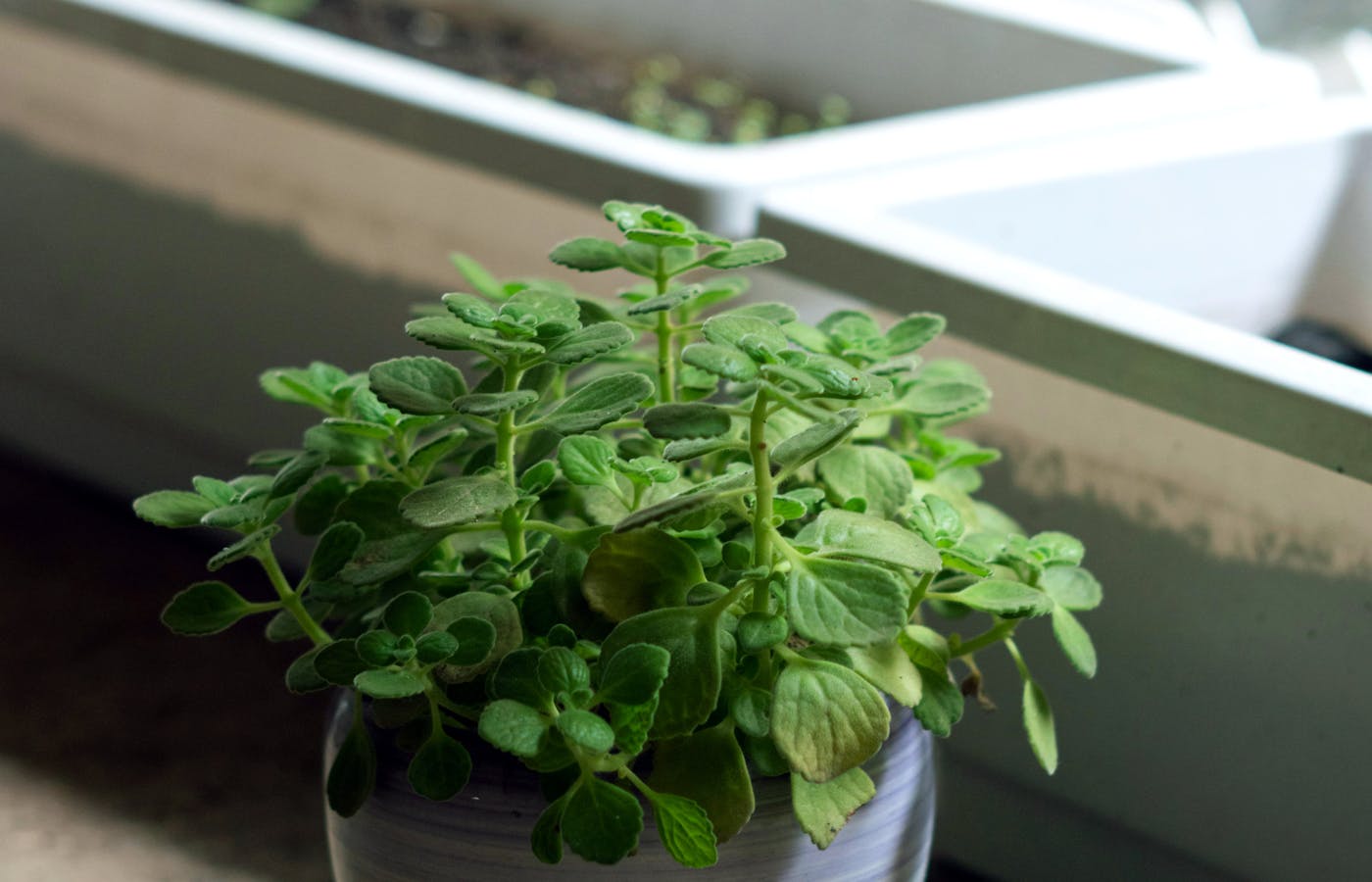
A windowsill herb garden sounds simple until the first plant stretches toward the glass, dries out in one afternoon, or refuses to grow after the first harvest. The space is small, the light changes by season, and the pot has to do more work than it would outdoors.
The good news is that the best herbs to grow on a windowsill are usually the ones that forgive ordinary beginner mistakes. You do not need a full indoor garden setup to start. You need the right herbs for the window you actually have, a pot with drainage, and a habit of checking the plant before watering by schedule.
A windowsill herb garden should make cooking feel easier, not turn the kitchen into a fussy project. Start with two or three herbs you already use, then add more after you understand the light.
Choose herbs based on the window, not the wish list
The first decision is light. A bright south or west-facing window can support stronger growers such as basil, thyme, rosemary, and oregano if the room stays warm enough. An east-facing window may be better for parsley, chives, mint, and cilantro because it gives gentler morning light. A north-facing window can be difficult for many herbs unless the glass is very bright or you add a grow light.
Look at the window during the day before buying plants. Count the hours when direct or strong bright light reaches the sill. Also notice heat, drafts, blinds, and whether the glass gets cold at night. Herbs near a window can dry quickly in sun and slow down near cold glass, so the best choice depends on the whole spot.
I would rather grow one herb well than keep five struggling pots alive out of optimism. A small success teaches more than a crowded tray of tired plants.
Start with basil if the window is warm and bright
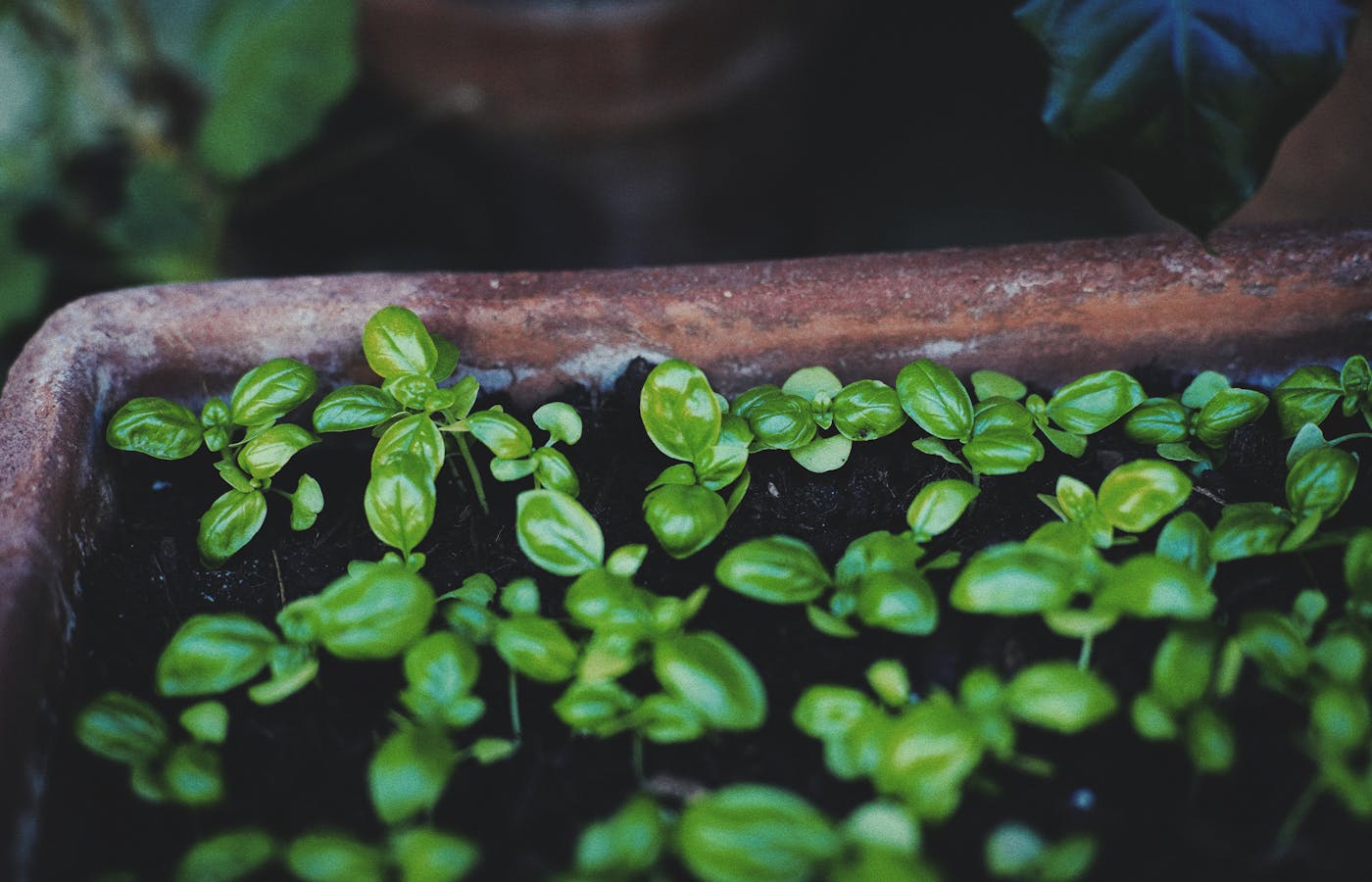
Basil is one of the most satisfying windowsill herbs because it grows fast and fits everyday cooking. It likes warmth, bright light, and consistent moisture without sitting in soggy soil. If the leaves smell strong and the plant keeps making new tips, the window is probably doing its job.
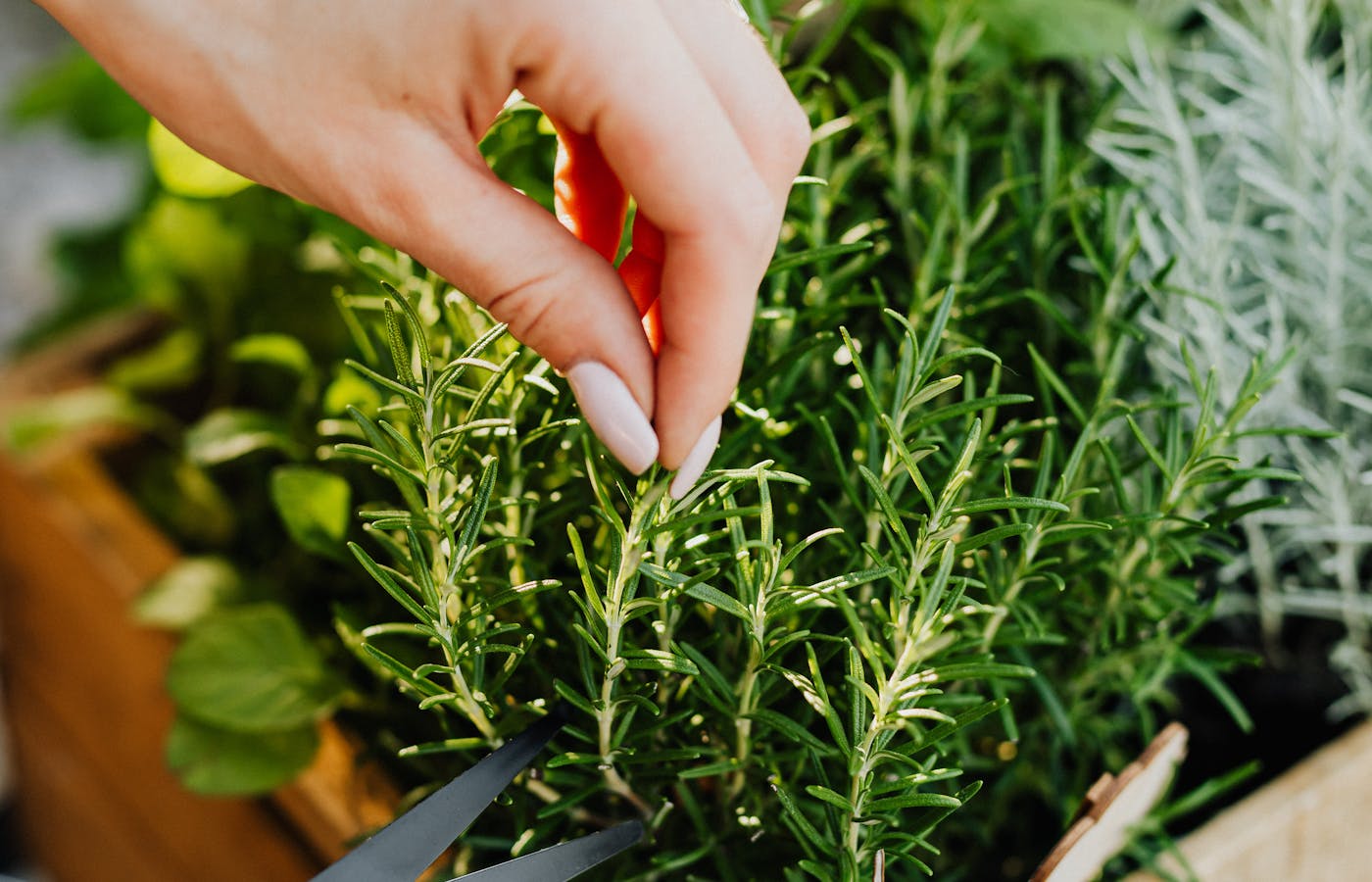
The challenge with basil is that it can become leggy indoors. Harvest from the top instead of picking random large leaves from the bottom. Snipping above a pair of leaves encourages branching, which makes the plant fuller and more useful. If the stem gets long and bare, the plant usually needs more light or more frequent top harvesting.
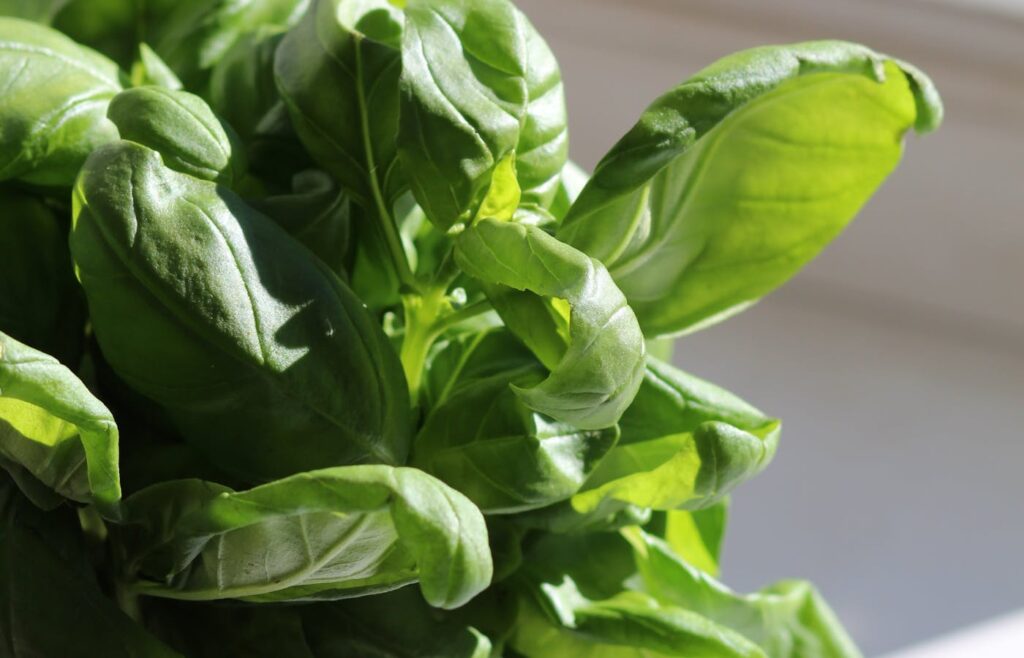
Basil dislikes cold drafts, so avoid pressing the pot against chilly glass in winter. Rotate the pot every few days if it leans toward the window. That small habit keeps growth more even.
Use mint when you want an easy, forgiving herb
Mint is a strong choice for beginners because it tolerates indoor life better than many herbs. It can grow in a windowsill pot with bright indirect light or softer morning sun, and it bounces back from regular harvesting. It is useful for tea, water, salads, sauces, and quick kitchen experiments.
The important rule is to keep mint in its own pot. Outdoors, mint spreads aggressively. Indoors, it still grows better when it does not have to share space with slower herbs. A separate container also makes watering easier because mint often wants a little more moisture than rosemary, thyme, or oregano.
If mint starts stretching, move it closer to brighter light or trim it back. Regular cutting keeps the stems from becoming long and weak.
Grow parsley or chives for steady everyday harvests
Parsley and chives are quieter than basil, but they can be very useful on a windowsill. Parsley handles cooler indoor conditions better than many tender herbs, and it can produce steady leaves when the pot is deep enough. Chives take less space and can be snipped over eggs, potatoes, soups, salads, and simple dinners.
Both herbs reward patient harvesting. With parsley, cut outer stems near the base instead of shaving the top flat. With chives, snip leaves above the soil and let the clump regrow. These herbs may not look dramatic, but they are practical because small harvests can improve a meal without needing a huge plant.
- Choose parsley for cooler windows and deeper pots.
- Choose chives for narrow sills and small meals.
- Keep both close to bright light for stronger growth.
- Harvest lightly at first while roots settle.
- Remove yellowing stems so new growth is easier to see.
Try thyme or oregano for drier sunny windows
Thyme and oregano prefer a sunnier, drier style than mint or parsley. They do not want constantly wet soil, so they work well for a bright window where the pot dries between waterings. Their leaves are smaller, but they bring a lot of flavor to roasted vegetables, eggs, pasta, beans, sauces, and soups.
Use a potting mix that drains well and a container with holes. If the soil stays wet for days, these herbs can weaken indoors. Water when the top layer feels dry and the pot feels lighter. It is better to check with your finger than to water every Saturday just because the calendar says so.
These herbs also need trimming. Pinch or snip tips before stems become woody and sparse. Small, regular harvests keep the plant useful without shocking it.
Be careful with rosemary and cilantro indoors
Rosemary and cilantro can grow on a windowsill, but they are not always the easiest first picks. Rosemary likes bright light, excellent drainage, and air movement. It can suffer indoors if the soil stays wet or the room is dim. Cilantro can sprout quickly, but it often bolts or fades when the window is too warm.
That does not mean you should avoid them forever. It means they are better as second-round herbs once you understand your window. If you love rosemary, start with a small plant and give it the brightest spot. If you love cilantro, sow small batches more often instead of expecting one plant to last all season.
The easiest windowsill herb is the one that matches your light and your cooking, not the one that looks best at the store.
Set up the pot before the herb comes home
A good windowsill setup prevents many problems before they start. Use a pot with drainage holes and a saucer that protects the sill. Choose a container wide enough that the plant is not drying every few hours, but not so large that the soil stays wet around tiny roots. Most single herbs do well in modest individual pots rather than one crowded trough.
Place the pot where leaves will not press against cold glass or get trapped behind curtains. If the sill is narrow, use a small plant stand, tray, or shelf near the window instead of balancing pots in a risky spot. Herbs should be easy to reach because you will check them more often if the routine is simple.
The easier the pot is to check, the less likely watering becomes guesswork.
- Choose two or three herbs you cook with often.
- Match each herb to the light and temperature of the window.
- Use individual pots with drainage holes and saucers.
- Water only after checking the soil with your finger.
- Harvest small amounts regularly to encourage new growth.
Keep the windowsill herb garden small enough to maintain
The best windowsill herb garden is not always the fullest one. A crowded sill can block light, trap moisture, and make it harder to notice pests, yellow leaves, or dry soil. Leave space between pots so air can move and each plant can turn toward the light without being buried behind another herb.
Check the garden a few times a week. Look at leaf color, soil moisture, leaning stems, and whether the plant is growing new tips. If one herb keeps struggling while the others do well, the problem may be the plant’s needs rather than your effort. Swap it for a better match instead of letting the whole setup feel discouraging.
Best herbs to grow on a windowsill include basil for bright warmth, mint for forgiveness, parsley and chives for steady harvests, and thyme or oregano for sunnier, drier spots. Start small, match the plant to the window, and let the garden earn its space one useful harvest at a time.