Balcony Garden Ideas for Apartments
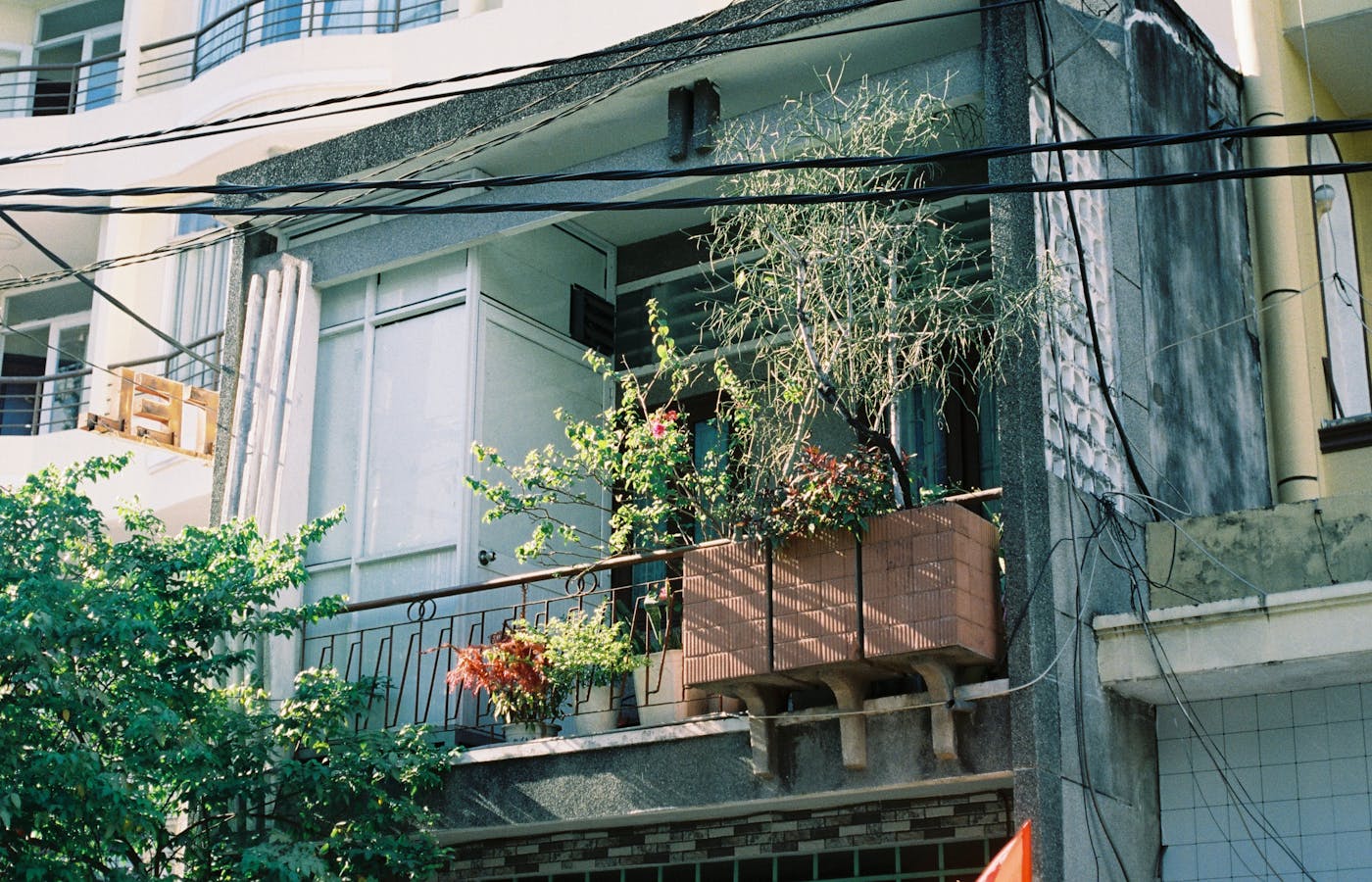
A balcony garden does not need to look like a catalog to feel alive. In an apartment, the useful question is not how many plants can fit outside. It is how the balcony actually works: where the sun lands, where water drains, where you can still walk, and which plants make the space nicer without turning it into another chore.
Good balcony garden ideas for apartments usually start small. A few pots near the railing, one herb container by the door, or a narrow shelf of shade plants can change the whole feeling of the space. The best setup leaves room for daily life, because a balcony that is too crowded becomes hard to water, clean, and enjoy.
Think of the balcony as a tiny outdoor room with plants, not as a storage shelf that happens to have sunlight.
Start with the balcony conditions you already have
Before choosing plants, spend a few days watching the balcony. Morning sun, hot afternoon sun, deep shade, strong wind, reflected heat from walls, and rain exposure all change what will survive. A plant that looks perfect in a nursery can struggle fast if the balcony is windy, dry, or too shaded.
Notice where water can safely go. Some balconies have drains, some drip onto neighbors, and some stay wet in corners after rain. That detail affects pot choice, saucers, watering habits, and whether hanging planters are practical. If you rent, also check building rules before attaching anything to railings, walls, or ceilings.
I like sketching the balcony as three simple zones: railing, floor, and wall or corner space. That keeps the plan realistic and prevents every plant from competing for the same sunny strip.
Try railing planters when floor space is tight
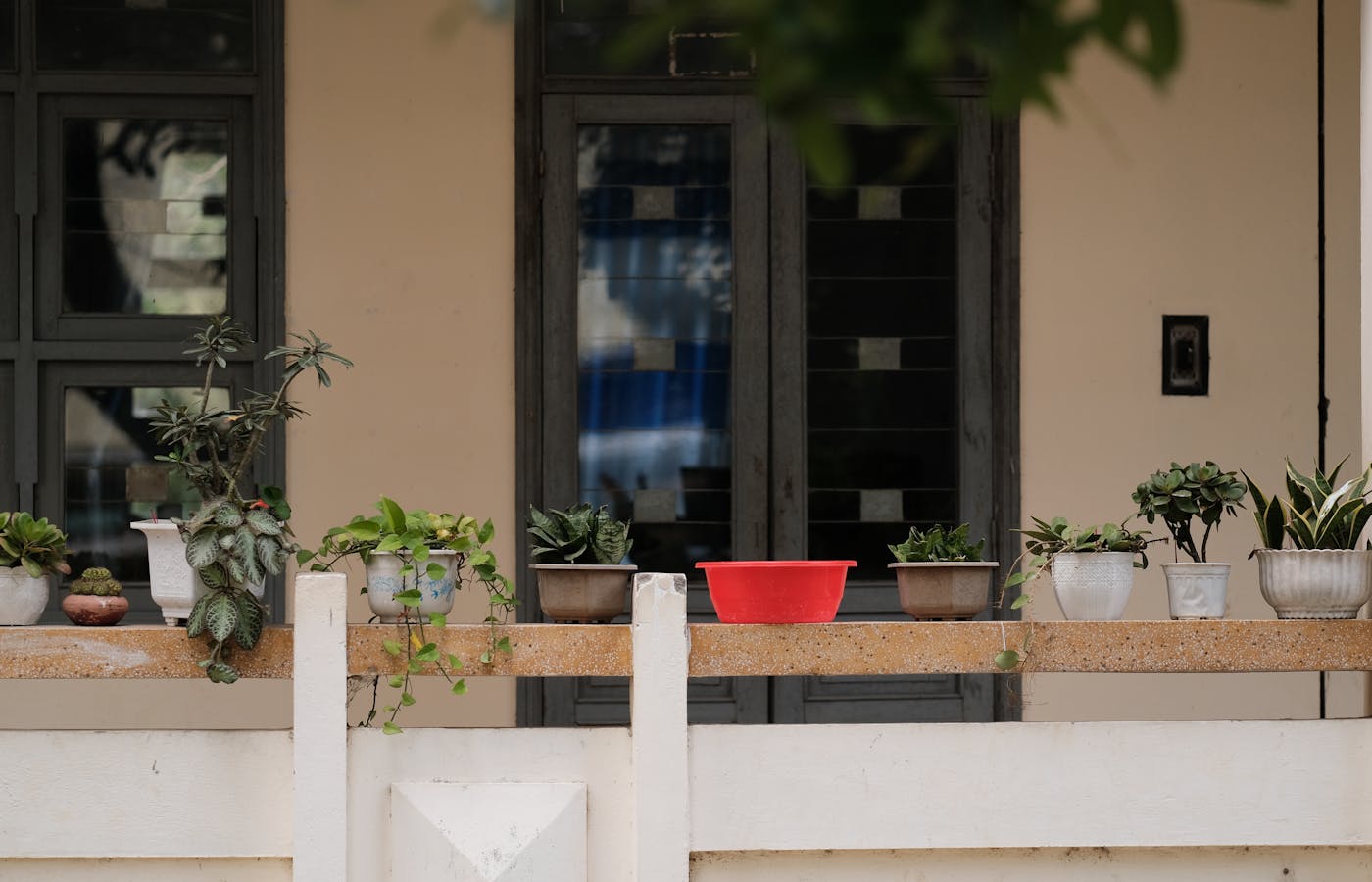
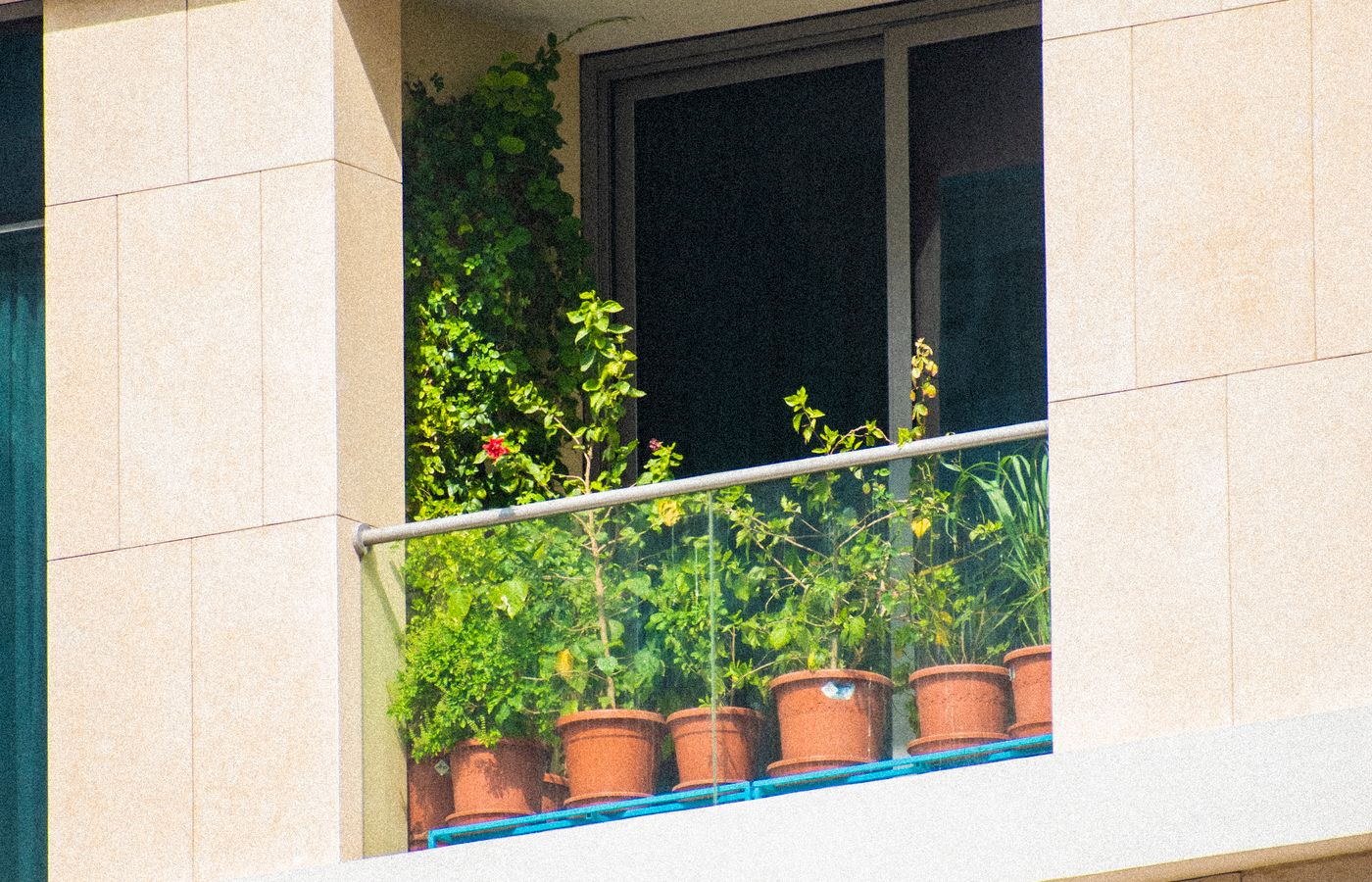
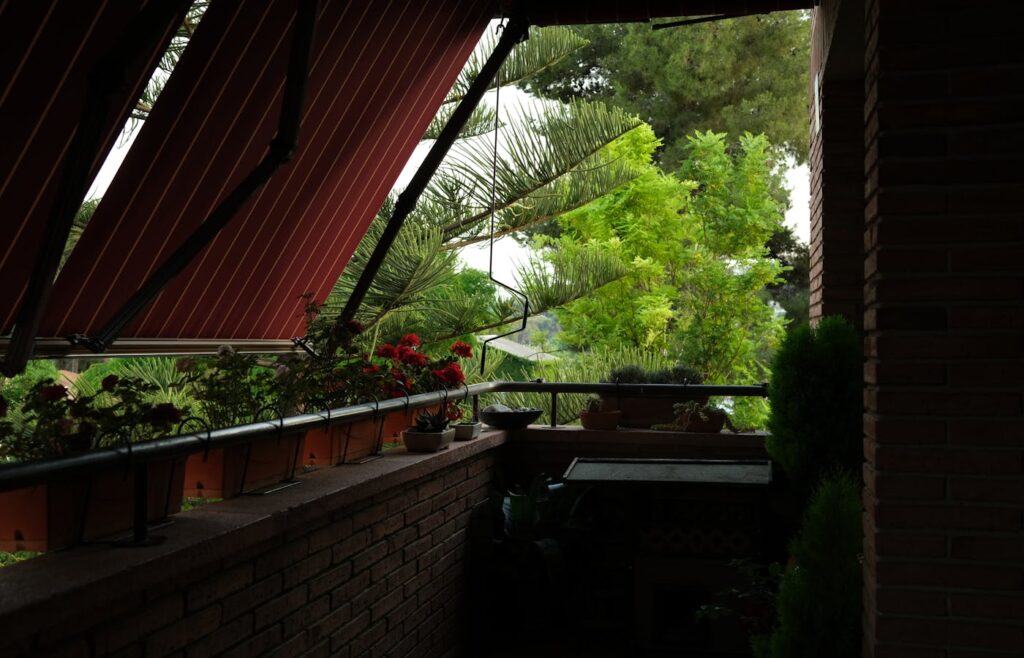
Railing planters can make a small apartment balcony feel greener without stealing the walking area. They work well for trailing flowers, compact herbs, shallow-rooted ornamentals, and lightweight seasonal plants. The key is stability. A planter that wobbles in wind or drains onto someone else’s balcony is not worth the trouble.
Choose planters that fit the railing securely and leave enough room to open doors, move chairs, and water without leaning dangerously. If the balcony gets strong sun, railing containers may dry faster than floor pots. If it gets heavy wind, taller plants may break or tip unless the container is sturdy.
- Use railing planters for compact herbs, trailing flowers, and small foliage plants.
- Keep heavy ceramic pots on the floor instead of hanging them from the railing.
- Check drainage direction before the first full watering.
- Leave a clear path so the balcony still feels usable.
Create one anchor with a larger floor pot
A single larger pot can make the balcony feel intentional. It might hold a small shrub, a tall grass, a dwarf citrus in the right climate, a tomato plant, or a mixed arrangement of foliage and flowers. The anchor pot gives the eye a place to land and keeps the space from looking like several random containers lined up without a plan.
Weight matters on apartment balconies. Soil, water, ceramic, and large plants can become surprisingly heavy. When in doubt, choose lighter containers, use potting mix rather than garden soil, and avoid clustering every large pot in the same corner. If the balcony has weight rules, respect them.
The larger pot should also be easy to reach. If you have to climb around furniture to water it, the plant will eventually suffer. Put the anchor where it adds height but does not block the door, the view, or airflow around smaller plants.
Add herbs near the door for everyday use
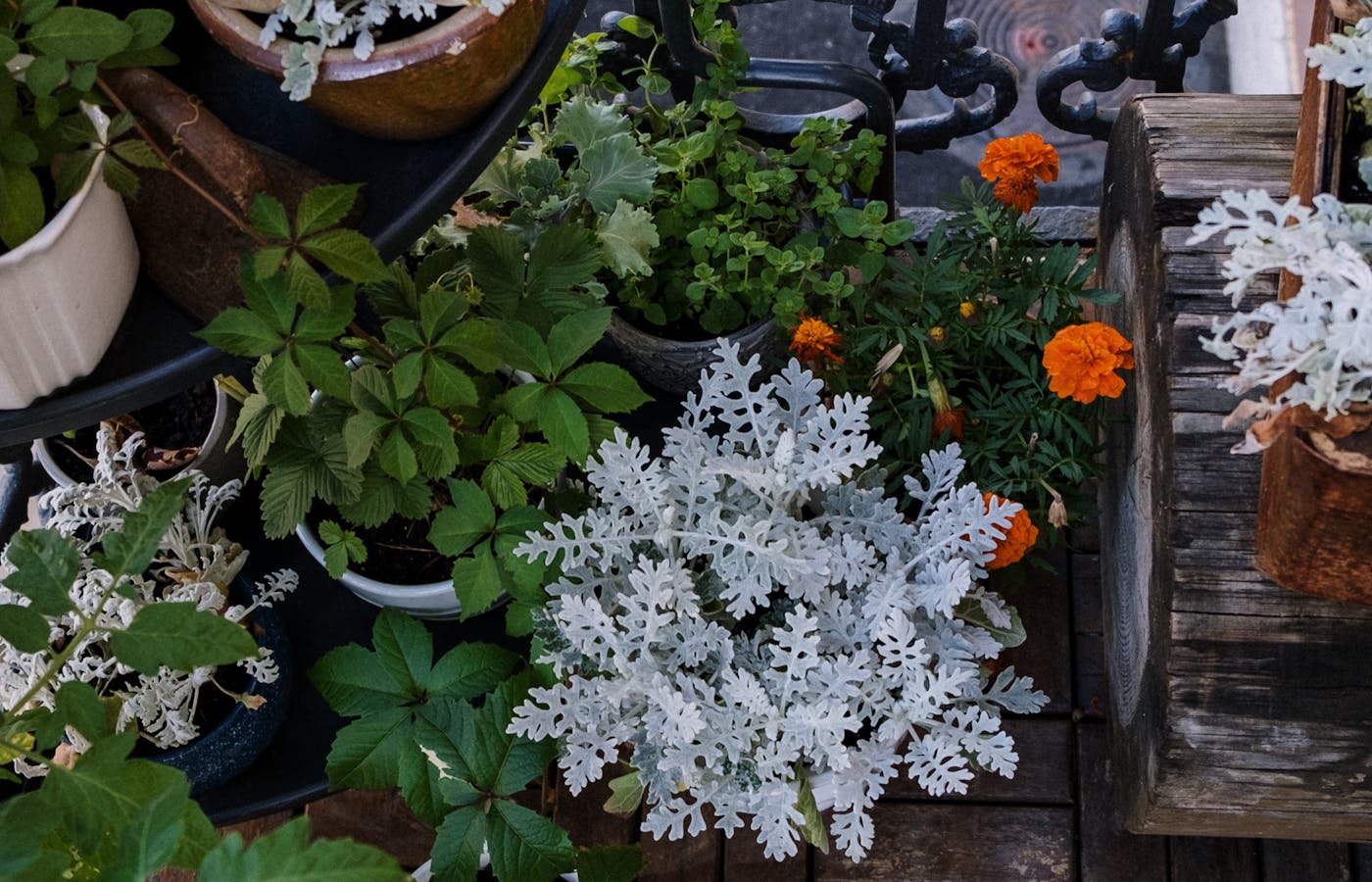
Herbs are some of the most satisfying balcony plants because they connect the garden to ordinary meals. Basil, mint, parsley, chives, thyme, oregano, and rosemary can all work in containers when their light and water needs are respected. The best herb choice depends on the balcony, not just on what you like to cook.
Keep herbs close enough that you will actually harvest them. A small pot near the door is often more useful than a crowded herb shelf at the far end of the balcony. Mint is better in its own pot because it can spread aggressively. Rosemary and thyme prefer drier conditions than basil or parsley, so mixing all herbs in one container can make watering awkward.
Harvest lightly and often instead of waiting until the plant gets huge. That habit keeps many herbs bushier and makes the balcony feel useful, not just decorative.
Build upward without making plant care difficult
Vertical shelves, ladder stands, wall grids, and hanging baskets can help when the balcony floor is narrow. They are especially useful for small pots, trailing plants, propagation jars, or lightweight flowers. The risk is turning vertical storage into a wall of plants that is hard to water evenly.
Keep the highest plants within safe reach. A plant that needs a chair or awkward stretch every time you water it will probably be ignored. Also think about shade. A tall shelf can block light from plants below it, which may be helpful for shade-loving foliage but frustrating for herbs and flowers that need more sun.
- Put sun-loving plants on the brightest shelf level.
- Keep trailing plants where stems will not catch on chairs or doors.
- Group plants with similar watering needs together.
- Use drip trays or saucers where water could stain the floor.
- Leave space to remove each pot for pruning and cleanup.
Mix foliage, flowers, and privacy plants carefully
A balcony garden looks fuller when it includes more than one plant role. Foliage plants bring steady green structure. Flowers add seasonal color. Herbs make the space useful. Taller plants or trellised vines can soften a view, but they need careful placement so the balcony does not become dark, crowded, or hard to maintain.
If you want privacy, start with one screen-like element instead of surrounding the balcony with tall plants. A narrow trellis, one taller container, or a group of medium-height pots can soften the edge while keeping airflow. Too much dense growth can trap heat, hide pests, and make watering harder.
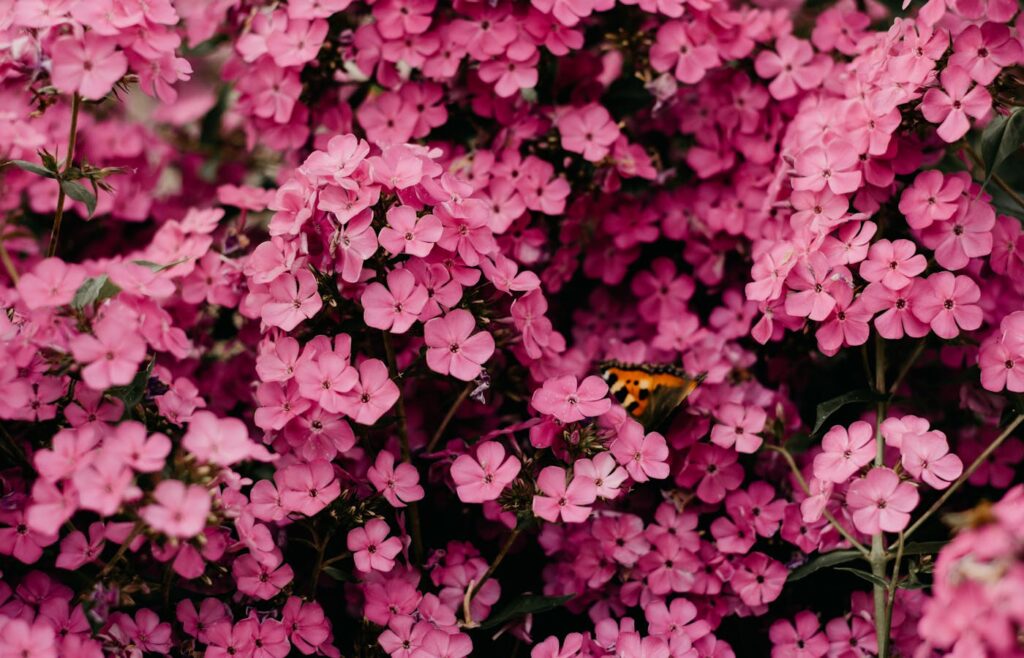
Color is easiest to manage in small doses. A few pink, white, yellow, or purple flowers can brighten the balcony without demanding that every pot bloom at the same time.
Set up the balcony garden in one careful pass
The fastest way to make a balcony garden disappointing is to buy too much in one afternoon. A slower setup gives you time to see what dries out, what leans toward the light, what gets windburn, and what you actually enjoy maintaining. Start with a few useful containers, then add more after two or three weeks.
Use this setup sequence:
- Watch the balcony light and wind for several days.
- Choose one anchor pot, one railing or shelf area, and one easy herb or flower group.
- Place empty containers first to test walking space.
- Add plants with similar light and watering needs near each other.
- Water once and check where excess water goes.
- Wait before buying more plants so the layout can prove itself.
Balcony garden ideas for apartments work best when they respect the limits of the space. Use the railing, one anchor pot, a few herbs, vertical space where it stays reachable, and flowers or privacy plants in small, thoughtful groups. A balcony garden should make apartment life feel fresher, not turn the balcony into a place you avoid.